The Need for Mobile Cattle Chutes
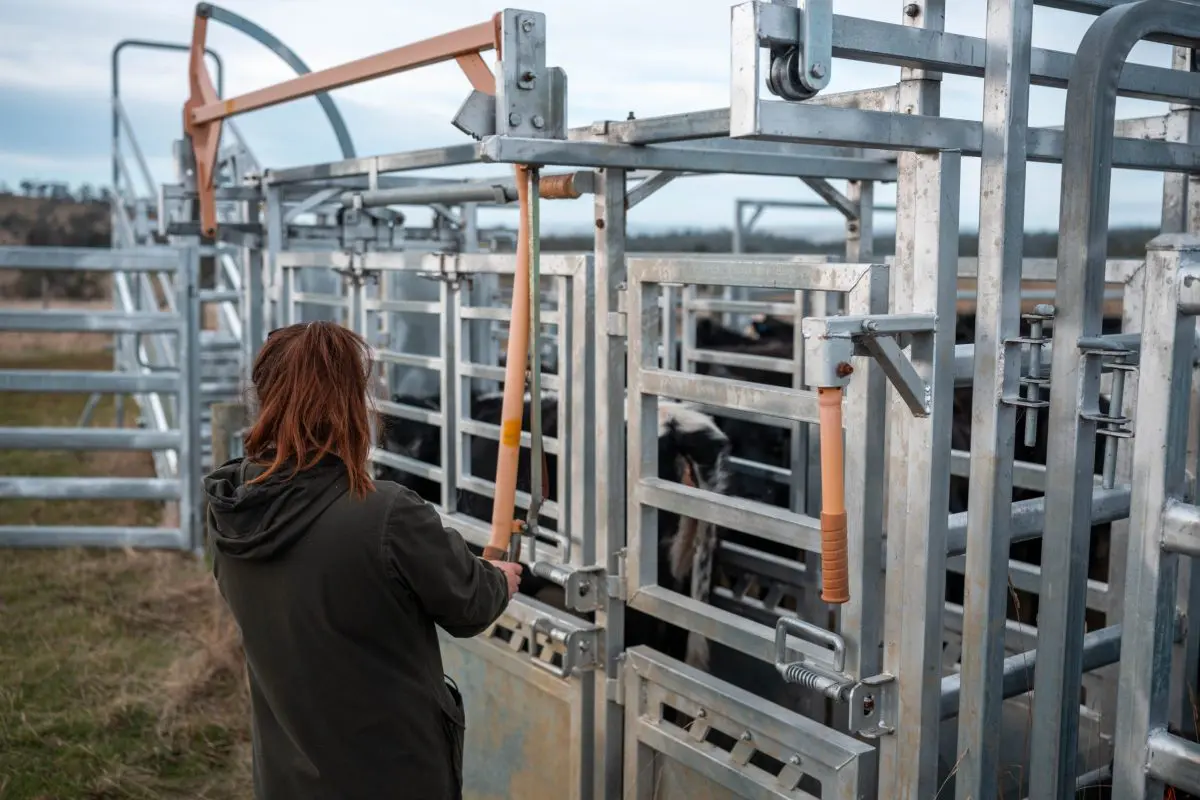
Mobile Cattle Chutes for Safety, Efficiency and Low-Stress Handling
Modern dairy operations depend on efficient, low-stress cattle handling to maintain health, productivity and worker safety. With the rise of larger operations on multiple sites, mobile cattle chutes and portable handling systems are increasingly becoming commonplace. These mobile units are designed to support safe animal movement and streamline routine management tasks in a flexible, transportable package.
Meeting Today’s Needs
Animal handling has grown right alongside industry research and innovations. And this has also come from regulatory pressure and heightened consumer expectations for systems that protect both animals and handlers.
According to Ohio State’s College of Food, Agriculture and Environmental Science (CFAES) in Cattle Care: Handling and Facilities, good equipment and facilities are those which “provide efficient movement and reduce stress when working cattle.”
But the other side to this is worker safety while keeping operating costs reasonable. Mobile handling systems answer this call by allowing dairies to meet standards without investing in large fixed facilities at every location.
Applications in Dairy Operations
Mobile cattle handling equipment expands flexibility by bringing key management functions directly to the animals.
Health checks, vaccinations, and reproductive exams
Portable alleys and squeeze chutes help veterinarians safely restrain animals for examinations and treatments.
Hoof trimming
Perhaps one of the earliest fully mobile setups, hoof trimming tables and stanchions reduces injury risk and supports better mobility.
Weighing and sorting
Portable scales integrated into chutes or alleys allow for fast, low-stress data collection.
Transport preparation and biosecurity tasks
Mobile systems help isolate animals and manage loadouts.
“Properly located pen gates may block off a travel lane and serve to direct a dairy animal into a desired area,” according to the Penn State University article Restraint and Treatment Facilities for Dairy Animals. “Gates also may be used within pens to form a funnel to direct a reluctant cow into a stanchion or other type of lockup. They also can become part of a confinement area for breeding or rectal examination.
Types of Mobile Chutes and Handling Equipment
Available in manual or hydraulic configurations, squeeze chutes provide secure restraint for dairy cows during procedures. Hydraulic models offer increased efficiency and safety, especially when labor is limited.
Mobile loading Ramps allow safe loading for transport directly from pastures or remote lots. Lightweight but durable panels and pens create temporary work zones or sorting areas. These can also be used as temporary alleys for more intense movements and projects.
Animal Flow and Handling
The design of mobile systems plays a major role in animal behavior and stress. Curved alley designs support natural cattle movement and reduce balking, while adjustable alley widths help maintain proper animal flow across varying body sizes.
Crowding features (including tubs, funnel gates and stop gates) all improve safety and throughput.
Even in mobile setups, low-stress design – coupled with good employee training – is critical for success.
“Animal welfare isn’t just a feel good concept. It directly impacts productivity. Injured or stressed animals don’t gain weight, reproduce, or fight off disease as well,” writes Mid-Valley Veterinary Hospital in their blog Hydraulic Chutes: Revolutionizing Livestock Care for Safety, Efficiency and Reduced Stress. “With reliable restraint and faster processing, you won’t need as many people standing around the chute. That’s a big deal when finding and keeping help is harder than ever.”
There are several moving parts to low-stress practices and equipment. But the basics include non-slip flooring or surfaces, smooth or rounded edges that are gradual to prevent bruising and low noise. For worker safety, proper lighting, visibility and secure headgates and other restraints are required. Emergency releases and escape gates should also be accessible.
And of course, don’t forget the importance of routine maintenance. Always be on the lookout for hazards like loose hardware, broken boards and panels or even clothing hanging in the wrong place that could spook cattle.
Cost Considerations and Maintenance
When comparing mobile and permanent facilities, several financial factors come into play. These should be done in light of your needs, the cost of upfront purchase versus net gain in time saved and better safety.
A good system, especially if you are incorporating things like hydraulics, can reduce the number of workers needed in one site at a time.
Routine upkeep is essential for safe, reliable operation. “Regular cleaning and maintenance of working parts is imperative to ensure the system functions properly and is safe for the cattle and handlers,” says CFAES.
Maintenance tasks ought to include inspection of hinges, hydraulics and welds. Costs associated might be lubricating moving parts, replacing wear components and even storage to prevent rust and other weather damages.
Mobile cattle chutes and handling equipment offer dairies a powerful combination of flexibility, efficiency and better animal welfare. Regardless of how you use it, mobile systems can offer safer, low-stress cattle handling in any location. But like all investments, it needs to be evaluated across several metrics including operating needs, safety features, cost and maintenance requirements.
By Jaclyn Krymowski for American Cattlemen
For Leading Cattle Industry News: