
Healthy Udders, Healthy Herds
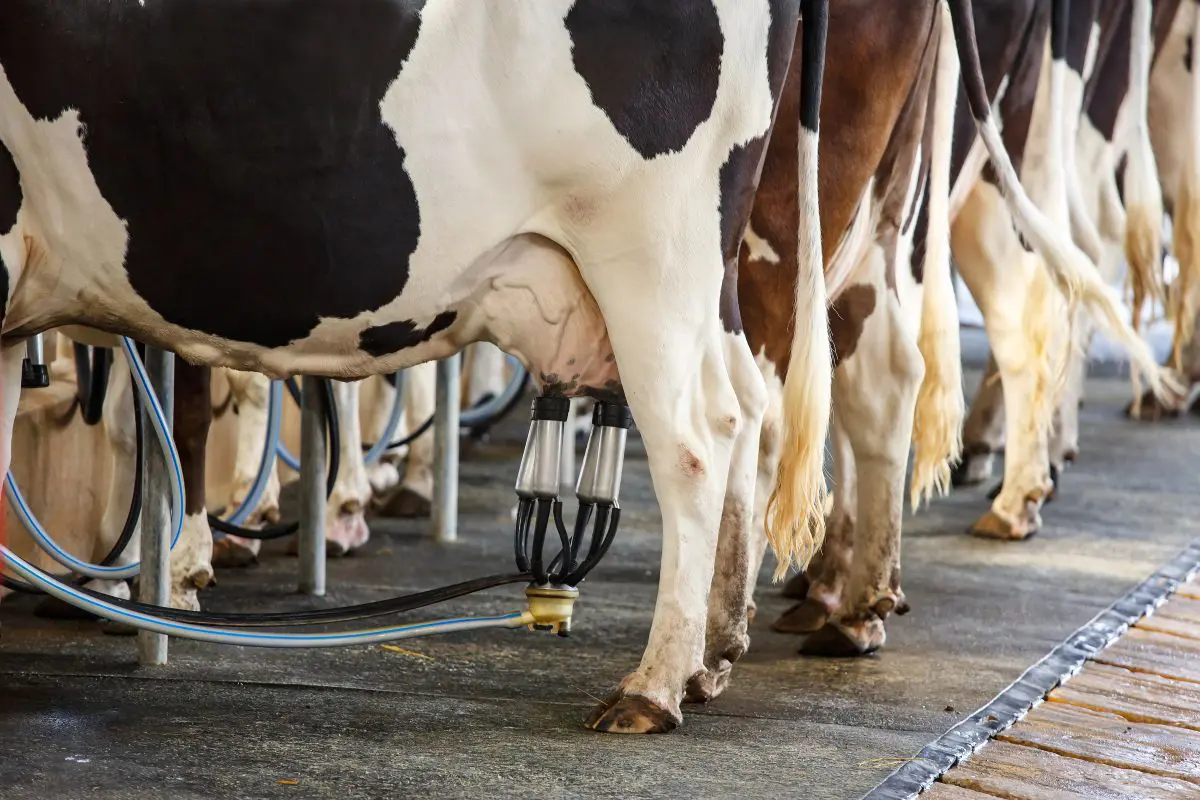
Healthy Udders, Healthy Herds: Proven Mastitis Prevention for Dairy Farms
Udder health in dairy cows is one of the most important parts of running a successful dairy. A healthy udder means clean, high-quality milk, strong production, and cows that stay in the herd longer. When udder health slips, the effects are felt quickly: milk yield drops, treatment costs rise, and more time is spent managing sick animals. For many producers, it is one of the biggest factors that impacts both profit and daily workload.
Good udder health also plays a major role in animal well-being. Cows with healthy udders are more comfortable, less stressed, and able to produce at their full potential. Focusing on the udder is really about protecting the whole operation and maximizing your profit.
Mastitis has long been one of the most common and costly problems in the dairy industry. Even with better herd care over the years, it is still a major issue. A study conducted in 1988 examined more than 23,000 dairy cows across 50 dairies in California and found that about 22 percent of cows had mastitis (González et al., 1988). Since then, other studies have shown similar results, with about one out of every four dairy cows affected. Even though this varies greatly from farm to farm, it shows that mastitis remains a major concern and requires close attention.
Identifying and Screening
To find mastitis in a herd, farmers and vets often use the California Mastitis Test (CMT) along with lab testing. The CMT is a quick and simple test that can be done on the farm. It helps find cows that may have an infection by checking for high cell counts in the milk. The CMT works fairly well at spotting possible cases, with about 83 percent accuracy in finding infected cows. However, it is less accurate when it comes to ruling out cows that are not infected, with about 55 percent accuracy. This means the CMT is a good tool to flag problems, but it should not be the only test used. Any positive result should be checked again with lab testing.
Lab cultures give a better look at what is causing the infection. They help farmers and vets know exactly which bacteria they are dealing with so they can treat them the right way. The 1988 study found that several types of bacteria were common across the dairies. Staphylococcus aureus was found in every herd, making it one of the most widespread causes. Streptococcus agalactiae was also found in most herds. In addition, Mycoplasma was found in about half of the herds, adding another challenge to managing mastitis.
Focus on Prevention
Preventing mastitis is always better than treating it. Preventive care is less expensive and far less stressful for both the dairyman and the cattle. In the dairy world, sanitation is the first line of defense. This begins with bedding and housing conditions. It is important to control the risk of high bacterial loads, especially when using materials like sawdust, recycled sand, or manure solids. When conditions turn wet and muddy, bacteria can thrive quickly, increasing the risk of infection. Keeping pens clean, dry, and well-managed goes a long way in reducing mastitis cases.
Teat dips are one of the best tools available to prevent infections and stop them from spreading. Premilking teat disinfectants, often called predips, are used before milking to reduce bacteria on the teat ends. This helps lower the number of bacteria that can enter the milk and reduces exposure to mastitis-causing pathogens. In fact, most dairies use a premilking teat disinfectant, with many relying on iodophor-based products.
Postmilking teat dips are just as important. These are applied after milking to protect the teat when it is most vulnerable. Since milk can carry bacteria, postdipping helps prevent the spread of contagious mastitis from cow to cow. About 96.8 percent of dairies use postmilking teat disinfectants, with iodophors again being the most common choice. Some operations also use barrier teat dips, which form a protective layer over the teat end to help block new infections.
Other Methods to Prevent Mastitis on Dairy Farms
Prevention methods can vary depending on how a dairy operates. For farms that use machines, it is important to watch for udder health issues in dairy cows caused by the equipment, such as swelling, irritation, or improper fit of the teat liners. For those who milk by hand, keeping hands clean, using gloves, and changing them often can help reduce the spread of disease.
Monitoring Teat and Udder Health in Dairy Cows
Another key part of prevention is monitoring teat and udder health. Skin condition matters more than many people realize. One common issue is hyperkeratosis, which is a thickening and hardening of the skin at the teat end. It may appear as a smooth ring or a rough, frayed edge. The rougher the teat end, the easier it is for bacteria to enter. Hyperkeratosis often points to stress during milking, such as poor vacuum settings, improper pulsation, or leaving machines on too long.
Somatic cell count (SCC) is another useful tool for tracking udder health. Lower numbers are better. A count around 100 is generally normal, while counts of over 200 can indicate some stress, inflammation or problems. Paying attention to SCC levels can help catch problems early before they spread.
Some dairies try to cut costs by mixing their own teat dips, but this can lead to problems if not done correctly. Imbalanced solutions can cause dryness, irritation, and damage to the teat skin, which actually increases the risk of infection. Using proven, pre-mixed products is usually the safer choice. If skin problems do occur, using conditioning creams can help repair damage, soften hyperkeratosis, and keep teats healthy.
It is also important to understand how mastitis spreads. It can spread from cow to cow during milking. Mastitis can also be contracted through the environment, coming from bedding, manure, or other outside sources. Because of this, both milking practices and housing conditions must be managed carefully.
Treating Mastitis
This common infection can spread fast if not managed well and can lead to long-term damage in the udder. Beyond the cost of treatment, mastitis can result in discarded milk, lower milk quality premiums, and even the loss of some of your best cows.
When mastitis does occur, quick action is key. The sooner a case is found and treated, the better the chance of recovery. Delayed treatment can lead to more serious infections, lower milk production, and even long-term damage to the udder. This is why many farms train workers to spot early signs, such as changes in milk, swelling, or heat in the udder.
Treatment plans for mastitis can vary. They often depend on herd size, location, and the type of farm. For example, a large dairy may have different needs than a small family farm. Organic farms may also follow different rules than conventional farms when it comes to drug use.
Since mastitis is usually caused by bacteria, antimicrobial drugs are commonly used for treatment. These drugs help kill or control the bacteria causing the infection. Among these treatments, intramammary (IMM) antimicrobials are the most common. These are drugs placed directly into the udder. Cephalosporins are the most widely used type, and they can reach the infection site quickly and effectively.
At dry-off, many dairies use IMM antibiotics to treat existing infections and prevent new ones. Research suggests that blanket therapy, where all cows are treated at dry-off, is the most effective method for reducing infections during the dry period.
Build a Solid Plan
Even though treatment is important, prevention should always be the main goal. Good milking practices, clean bedding, proper nutrition, and regular herd checks all play a role in reducing mastitis risk. Taking care of teat health is especially important, since it is the cow’s first defense against infection.
In the end, mastitis is a challenge that every dairy farmer faces. It cannot be fully avoided, but it can be managed. By focusing on preventive management, clean conditions, and using testing to guide decisions, producers can reduce their impact on udder health in dairy cows. With the right approach and quick responses, farmers can protect their cows, improve milk quality, and keep their operations running strong.
Sources:
- González, R. N., Jasper, D. E., Farver, T. B., Bushnell, R. B., & Franti, C. E. (1988). Prevalence of udder infections and mastitis in 50 California dairy herds. Journal of the American Veterinary Medical Association, 193(3), 323–328.
June 2026
By Jessica Graham
Follow us on Facebook! American Dairymen | Facebook