Barn and Pasture Maintenance: Basic Seasonal Tune-Ups
Barn and Pasture Maintenance: Basic Seasonal Tune-Ups
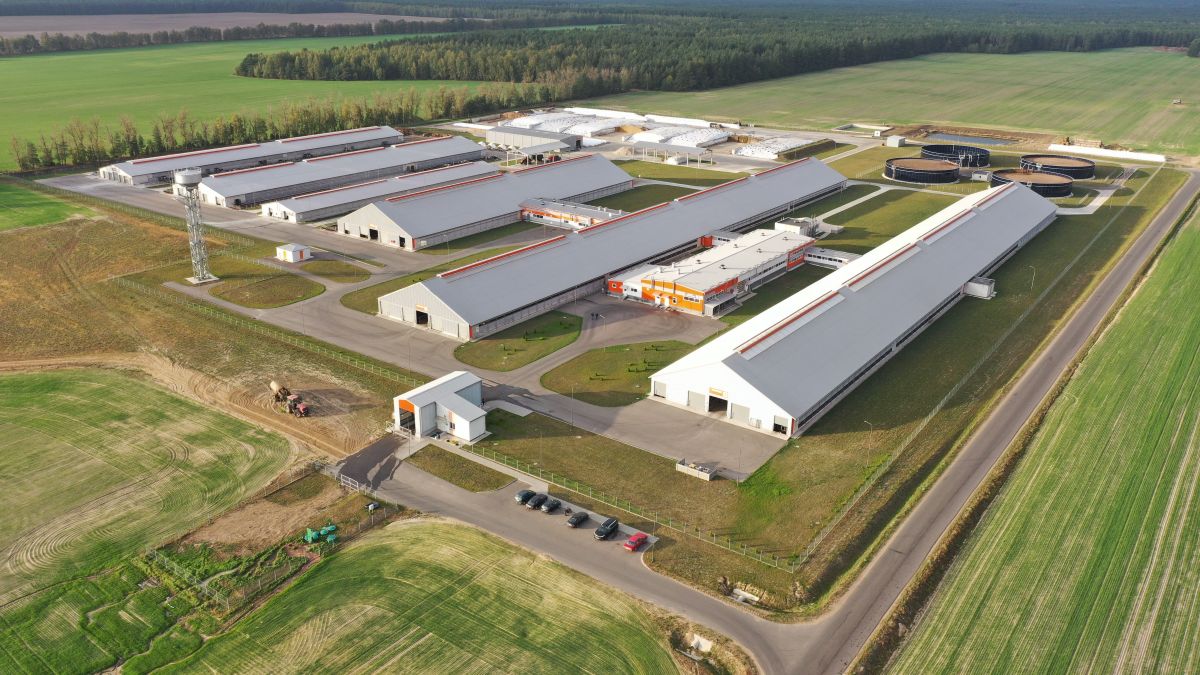
Facility upkeep and any subsequent pasture management play a direct role in productivity, cow comfort and reducing labor. While routine attention is often given to the parlor, pens and feeding areas, performance is also influenced by even the small details. Think about things like gutters, fans, windows, roofs and ventilation systems that quietly support herd health every day.
When pasture is part of the system, management extends beyond the barn and concrete. Maintaining productive, resilient pasture can positively impact cow performance while offering opportunities to reduce feed costs. Together, facility maintenance and grazing management form the backbone of a system that supports animal welfare, operational efficiency, and sustainability.
Keeping Up the Barn
Routine barn maintenance preserves the integrity of the structure without sacrificing on comfortable and functional environment for cattle. Regular inspections throughout the year help catch small issues before they become costly, disruptive repairs that pull labor away from daily priorities.
Roof, gutters, and downspouts
Roofs should be inspected for leaks and loose panels, especially after storms or an icy winter. Gutters need regular cleaning to prevent backups, while downspouts should direct water away from pens to avoid mud and drainage problems.
Walls, support beams and flooring
Support beams should remain structurally sound, and flooring should be checked for wear or slick areas that increase the risk of slips and injuries.
Doors, fans, and windows
Doors should open and close properly and seal well in heated areas. Windows must be sealed to prevent heat loss during winter, and screens should be intact to keep pests out while maintaining airflow.
Lighting systems
Burnt out bulbs (both in the barn and any overhead facility lights on telephone poles) should be replaced as soon as possible. Also be mindful of ongoing lighting upgrades as needed to maintain consistent visibility and support cow movement and worker safety.
Fan maintenance
Fans should be cleaned, lubricated and checked for proper belt tension. Poorly functioning fans compromise air quality and heat abatement. Likewise be sure that natural airflow is also working well and air is exchanging.
Air quality management
Controlling ammonia, dust and humidity go hand-in-hand with ventilation and fans. Of course, manure management can significantly affect air quality, especially in any enclosed areas.
Freestalls and Parlors
Both the parlor and freestalls are significant places where a cow spends her time budget. As such, the parlor should operate on a structured maintenance schedule to keep equipment functioning properly. Weekly, monthly and annual to-dos should be delegated to specific individuals instead of generalized so that work actually gets done.
Beyond the usual milking components, also think about hydraulics, flooring and pit (or robot!) improvements where things are becoming worn down, no longer working or outdated.
For freestalls, take time every so often to examine general wear and tear. Worn and broken concrete, loose stall dividers, cooling systems and mattresses are some hotspots for degradation.
Grazing Systems and Pasture Management
A good grazing season begins with a solid pasture. If you’re due for it, take some time to run any soil testing and subsequent fertilization and reseeding. If grazing is a significant part of your program, look at the fenceline, sacrifice areas and shelters.
Make a list including anything relevant to your facilities including broken posts, re-tensioning wire, redoing gates and latches or water systems.
Managing a Maintenance Plan
With the pace of daily farm work, it’s easy for repairs and preventive tasks to be overlooked. A proactive maintenance program helps prevent small issues from turning into major disruptions that negatively affect cattle and labor efficiency.
Creating a schedule spreads the workload throughout the year while being sure that all areas receive routine checks. This plan should include farming equipment maintenance before and after planting or harvest, as well as facility preparation for seasonal changes.
Winterizing facilities is a key component—protecting water systems, repairing curtains, servicing feeding equipment and preparing tools used for snow or manure management. Even with the best planning, emergency repairs will still occur due to aging equipment or weather events, but a proactive system reduces their frequency and impact.
Proactive facility maintenance and thoughtful grazing management provide long-term benefits that extend beyond immediate cost savings. Well-maintained environments support cow comfort, improve efficiency, and contribute to the sustainability of the operation.
Developing standard operating procedures customized to your farm, and reviewing them annually, allows producers to adapt maintenance and grazing plans as facilities, herd size, and goals evolve. This will set the operation up for consistent performance year after year.
March 2026
By Jaclyn Krymowski for American Dairymen
For Leading Industry News in the Cattle Field: Home – American Cattlemen