
Ammonia Management at Casper’s Calf Ranch
Ammonia Management at Casper’s Calf Ranch
In the current dairy landscape, the value of a calf has reached unprecedented heights. Gone are the days when a Holstein bull calf was a secondary thought; today, those same calves can fetch upwards of $1,400 at auction. With such a significant investment on the line, dairy producers are looking beyond basic survival and shifting their focus toward strategies that extract every ounce of potential from their animals.
At Casper’s Calf Ranch in Illinois, owner and nutritionist Dr. David Casper is proving that the secret to maximizing calf value isn’t just in the milk replacer – it’s in the very air the calves breathe. While his facility serves as a hub for neonatal research, Casper is, first and foremost, a producer who understands the bottom-line necessity of sending heavy, healthy calves to market.
Ammonia: The Hidden Profit Killer
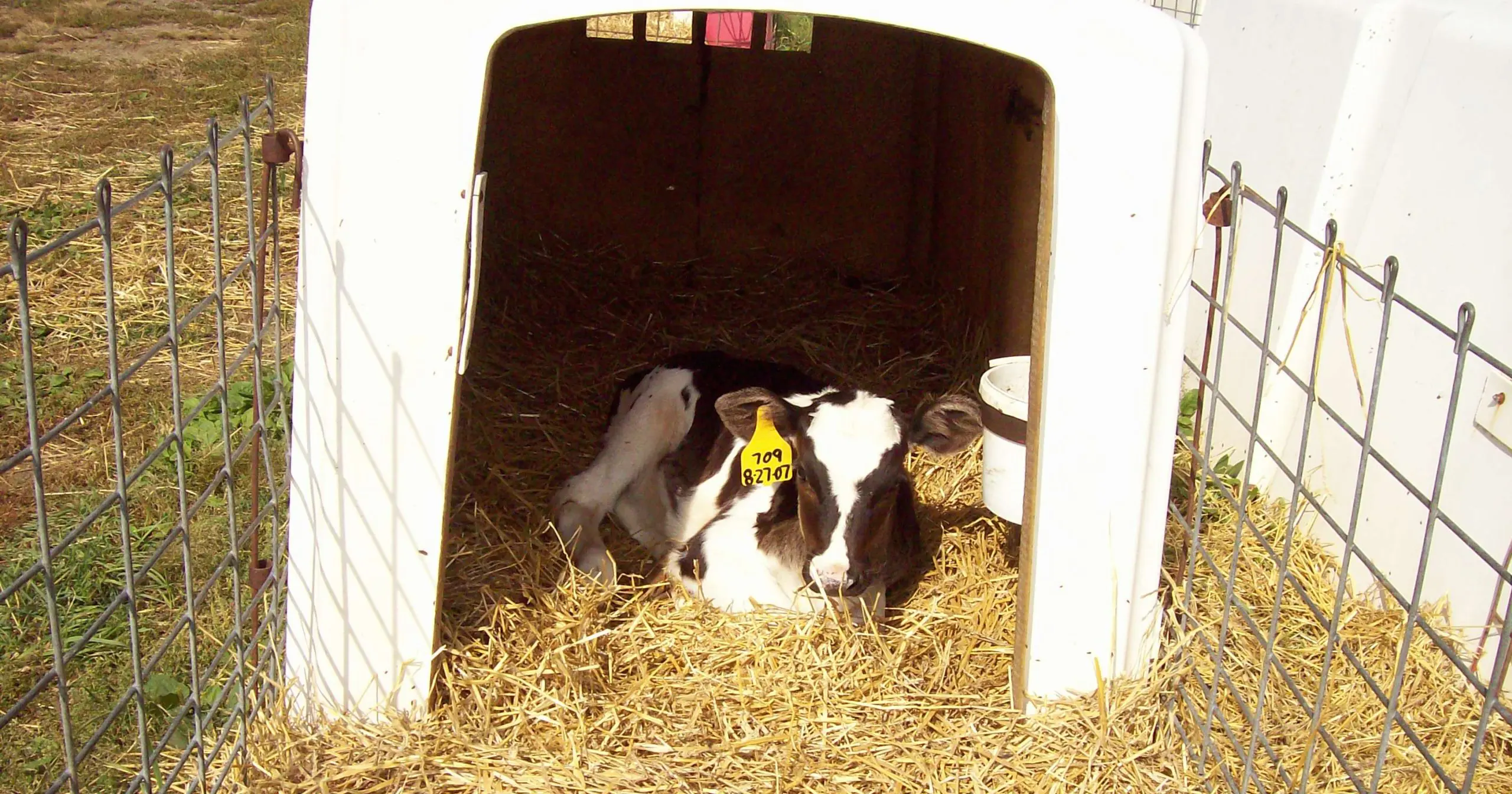
Even in the best-managed hutches, a silent profit killer often lurks at the calf level: ammonia. Ammonia is the byproduct of urea in urine and manure breaking down in wet bedding.
“When we started using soy hulls as bedding, I started noticing the ammonia smell in the hutches,” Casper recalls. “I could physically smell it and really picked up on it, and that’s when we started getting concerned”.
The concern is well-founded. Research and field experience show that once ammonia levels exceed just 4 to 6 parts per million (ppm), producers begin to see performance challenges. Because calves spend much of their time lying down, they are constantly exposed to these concentrations at the bedding surface, which can irritate the respiratory mucosa and predispose them to Bovine Respiratory Disease (BRD).
Leveraging the Power of pH
To combat this, Casper looked to a solution common in the poultry industry but relatively new to dairy: sodium bisulfate, marketed under the name SurpHace (pronounced surface). SurpHace is a dry, granular product that leverages environmental chemistry to control ammonia by lowering the pH of the bedding.
The science is straightforward but effective: by maintaining an acidic environment (low pH), the chemical reaction that releases ammonia gas is disrupted. Plus, this low pH environment is unfavorable for the growth of pathogenic bacteria like E. coli and Salmonella, which often thrive in the neutral-to-alkaline conditions of traditional bedding.
On his ranch, Casper implemented a simple management routine: apply one pound of SurpHace per hutch twice a week. The product was spread using a standard hand-held grass seeder to ensure even distribution across the wheat straw and soy hull bedding.
The Results: 85% Less Ammonia, More Weight
The impact on air quality was immediate and dramatic. Digital ammonia detectors revealed that while control hutches averaged about 10 ppm, the hutches treated with SurpHace dropped to just 1.5 ppm – an 85% reduction.
For Casper, the real proof was in the growth of the calves. Because they weren’t battling respiratory irritation from ammonia, the treated calves were more aggressive at the feed bunk. “The calves that were in the lower ammonia levels ate more calf starter and had better growth rates,” Casper noted.
The data backed up his observations:
- Average Daily Gain (ADG): Calves in the treated hutches saw a 0.14-pound increase in ADG.
- Total Weight Gain: Over the eight-week period, treated calves gained approximately 12% more body weight than the control group.
- Frame Development: There was a significant increase in heart girth gains, indicating better overall body development.
The Paycheck: A 6:1 Return on Investment
For any producer, the most critical metric is the return on investment (ROI). In Casper’s case, the math was compelling. When he sold the calves last fall, they were bringing over $6.15 per pound.
By achieving an additional 8 pounds (3.6 kg) of body weight per calf through better ammonia control, Casper generated an additional $47.62 in gross income per calf. When the cost of the SurpHace treatment is factored in (approximately $8.00/calf), the result is a nearly 6:1 ROI.
“It definitely pays,” Casper says. This calculation doesn’t even account for the potential savings in labor and medicine from reduced BRD treatments, which would push the ROI even higher.
Practical Tips for Producers
While Casper is currently completing a second trial to see if a once-a-week application can deliver the same results, his experience offers immediate takeaways for dairymen looking to protect their calf investment:
-

SurpHace can be applied with a hand spreader, blower, drop spreader or broadcast spreader. Don’t rely on your nose: By the time a human can smell ammonia, it is already well above the 4-6 ppm threshold where calf performance suffers.
- Focus on the back third: Ammonia tends to build up first in the back of the hutch where moisture accumulates.
- Bedding matters: Certain bedding types, like soy hulls, can significantly increase ammonia volatilization compared to traditional straw.
- Manage the environment, not just the animal: High-value calves deserve a high-value environment. Managing the pH of the bedding is a proactive way to support the calf’s innate immune system.

Looking Ahead
David Casper’s work demonstrates that by paying attention to the invisible factors like ammonia and pH, producers can secure a healthier future for their calves and a more robust bottom line for their business.
For producers interested in implementing these strategies, SurpHace is widely available, and Jones-Hamilton Co. provides technical support to help integrate pH management into existing bedding routines. As Casper has shown, when you clear the air, the path to profitability becomes much easier to see.
Follow us on Facebook! American Dairymen | Facebook