
Make Your Equipment Upgrades Worth It
Make Your Equipment Upgrades Worth It
By Jaclyn Krymowski for American Dairymen
From parlor technology to farm machinery, equipment upgrades can be an exciting topic to talk about. And while an upgrade may offer shiny new features or seem like the answer to a prayer when it pencils out, there are still many things that should be considered. Planning out a rough schedule of expenses and potential dates for upgrades can be exhausting, but the task is necessary to make sure your investment is still looking like a good one even years out.
The Real Questions You Should Be Asking
Return on investment can look very different on different operations, depending on management and bookkeeping styles.
Here are a few core questions worth considering as a launch pad. What is the upfront cost and down payment? What would a payment plan look like with interest? During and after full payment, what would be the return in terms of time, value or money? How much will depreciation impact this purchase?
Equipment technology upgrades tend to focus on efficiency improvements increasing profitability over time. But it may take time for a payoff. Properly evaluating the profit gains from implementing helps accurately measure cost effectiveness.
Even if something has a net gain, consider how much it represents in profits. Is it necessarily worth the added budget strain? Looking at the potential alongside the productivity gains when considering the full cost.
Also ask what are the hidden costs of any purchase? This can include sneaky expenses like added maintenance or additional employee training. (And can you afford these in terms of both time and money?) Don’t be shy about checking reviews, both online and in person, from previous buyers. You can get an edge on information like how often breakdowns happen, how it compares to other options and much more.
New equipment will always have a training and learning curve which will initially impact productivity, but as it is utilized that should level out and start to improve. Anything with additional new technology involving software and hardware may have some troubleshooting and “startup” issues that need ironing out.
Growing Pains
The success of equipment upgrades hinges largely on how it aligns with the growth of your business. Does what you have in mind match herd size or do you need to grow? Planning can be tricky on a small operation or even a growing herd. And of course, being strategic with equipment purchases and expansions is important. There needs to be enough funds for operations and a “rainy day.”
Labor is another consideration. Any additional automations that are added, like robot milkers or floor scrapers, have the general promise of improving efficiency and reducing labor costs.
Research on automatic milking systems has found labor savings can average around 20–30%, though results vary widely by farm size, management and facility design. One review published in the Journal of Dairy Science reported average labor savings of 20% on robotic dairies, while some farms experienced nearly 30% lower labor needs. However, researchers also noted automation often shifts labor toward monitoring cows, managing data and troubleshooting equipment rather than eliminating labor altogether.
Categories Worth an Investment
Milking systems
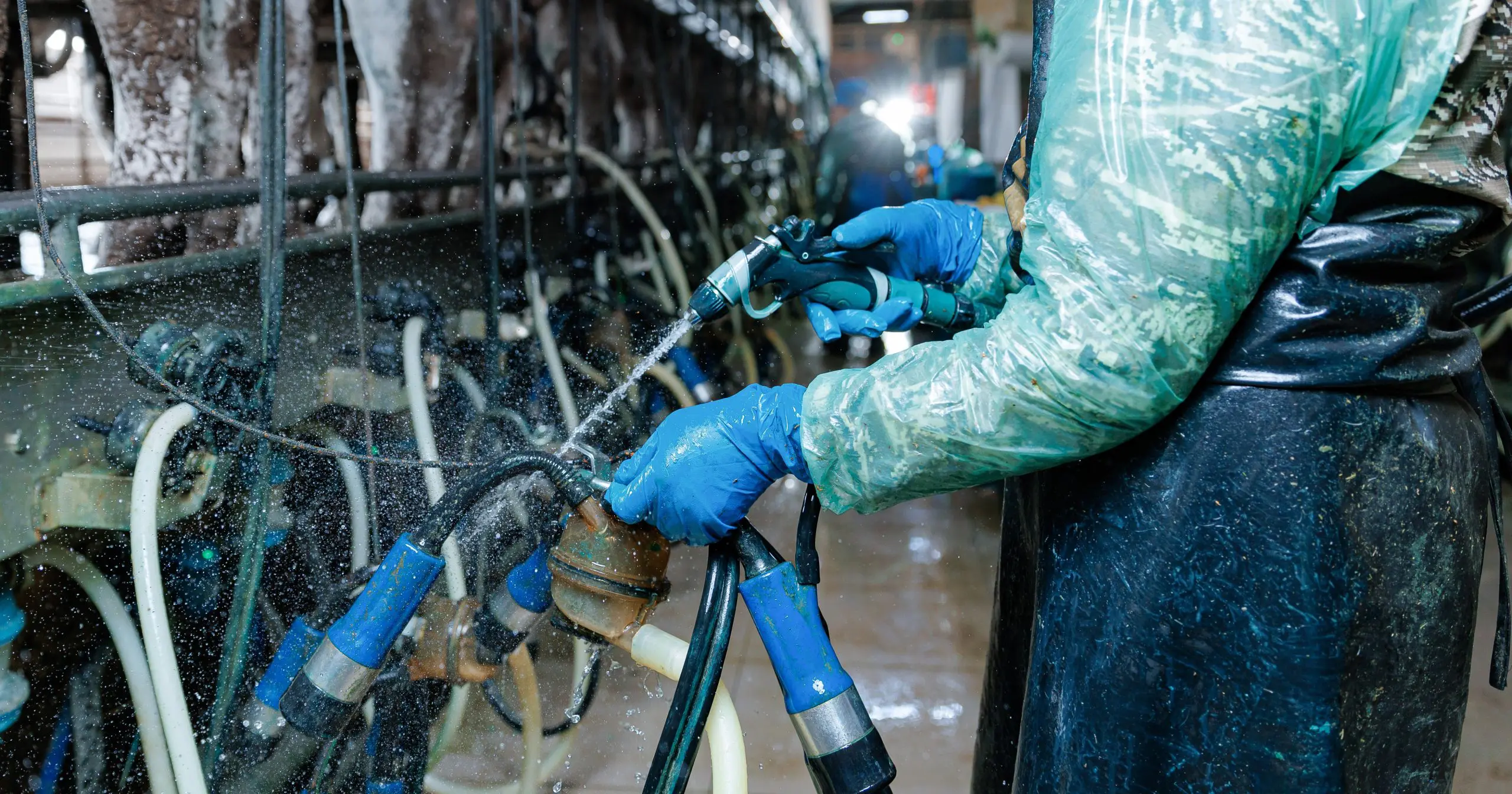
Parlor upgrades, such as moving to a new parlor type or adding sort gates, can also improve throughput and efficiency. On larger dairies especially, bottlenecks in milking schedules can impact labor, cow movement and even production. In those situations, increased capacity may justify the expense.
Feeding systems
Upgrades such as TMR mixers or automated feeding systems may improve consistency while reducing shrink loss and wastage. Better ration accuracy can influence production, animal health and feed costs. Even small improvements in feed efficiency can add up across an entire herd over months or years. At the same time, sophisticated systems come with their own maintenance needs and learning curves.
Manure management systems
Automatic scrapers, flush systems and manure separators can reduce labor while improving facility cleanliness and cow comfort. Better manure handling may also help with nutrient management plans, environmental compliance or creating reusable bedding materials depending on the system.
Cooling and storage improvements
Cooling efficiency impacts milk quality, and older systems may become more expensive to operate over time. While replacing cooling equipment solely for energy savings may not always pencil out, preventing breakdowns or protecting milk quality and its premiums may justify the investment.
Cow comfort upgrades
Think about ventilation systems, improved bedding, stall redesigns and heat stress mitigation tools can influence production, reproduction and overall herd health. A cow that is more comfortable generally spends more time eating, resting and producing. Heat stress in particular can quietly impact performance, making investments in cooling systems or airflow improvements worth considering.
Technology and “Smart Farming”
The amount of data available to dairy producers continues to increase. Herd monitoring systems, wearable devices and integrated management software now allow producers to track everything from activity levels to rumination patterns and health events.
However, technology only provides value if information is consistently used. More data does not automatically translate into better management. Producers considering monitoring systems should ask whether the information collected will realistically influence decision making on the operation.
Cost Management and Implementation
Even worthwhile upgrades can create financial strain if the timing or financing structure is poor.
Leasing versus purchasing remains an important consideration depending on cash flow and overarching goals. Leasing may preserve working capital while ownership builds equity over time.
Government programs, grants and even certain energy incentives may also offset portions of larger investments. Exploring U.S. Department of Agriculture programs or state level assistance opportunities before making major purchases can sometimes change the overall financial picture.
How upgrades are implemented can influence success almost as much as the equipment itself. For example, large overhauls may improve efficiency quickly but can create disruptions and substantial upfront costs. Phased upgrades may spread expenses over time while allowing employees and management to adapt gradually.
As always, periods of adjustment (including employee training) should be expected. Productivity may temporarily decline before improvements become noticeable. Planning implementation around labor availability, seasonal demands and cash flow cycles may help minimize disruption.
Follow us on Facebook! American Dairymen | Facebook