Dairy’s Growth Surge: Is Your Operation Ready for What’s Next?
Dairy’s Growth Surge: Is Your Operation Ready for What’s Next?
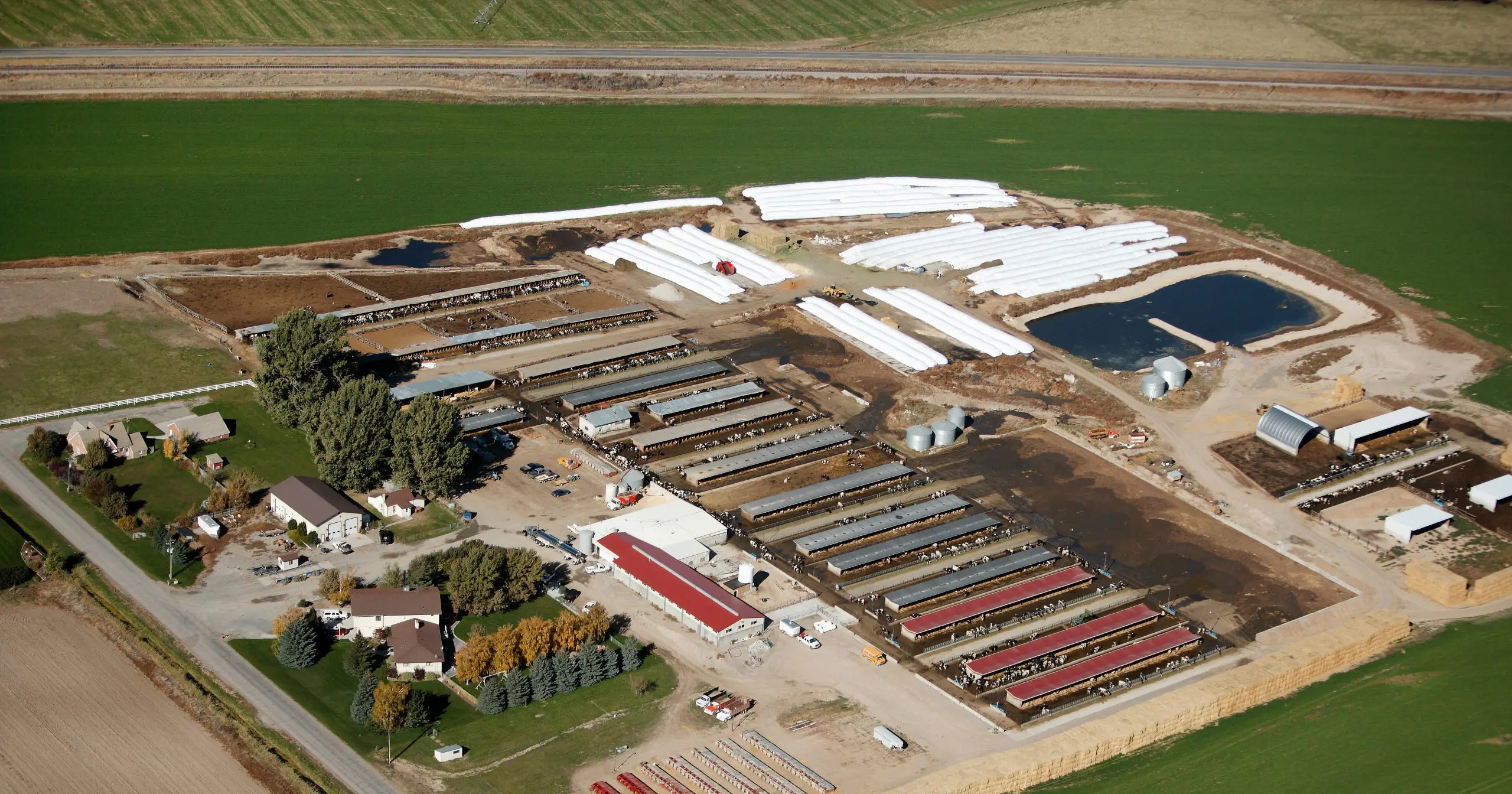
Growth and investment in any business is partnered with opportunity and risk, and the dairy industry is no exception with the expected investment of more than $11 billion in new and expanded manufacturing facilities across 19 states, according to the International Dairy Foods Association.
“The dairy industry is experiencing increased consumer demand, growth in exports, and rising milk production,” said Kevin Charleston, owner and principal of Specialty Risk Insurance, an agency specializing in helping farmers and ranchers manage agricultural risks across the U.S.
The IDFA states high-protein foods are driving consumer interests, and U.S. dairy exports are expanding in Central and South America, Southeast Asia, and the Middle East. It projects U.S. milk production could grow by 15 billion pounds by 2030 to meet these demands.
“This growth gives producers the opportunity to grow their operations and invest in themselves,” Charleston said.
Growth Creates New Exposures
For dairy operations looking to use this period of growth to scale, this could mean:
• New facilities and buildings
• Additional livestock
• Upgraded equipment and technology
• More employees
• Increased transportation and distribution needs
• Greater reliance on digital systems and automation
“Each of these investments are additional exposures you should carefully evaluate within your risk management program,” Charleston said. “Your operation is more than the cows and their milk production.
“Dairy farmers have a lot of money tied up in livestock, machinery, feed, barns, processing equipment, their employees, and all the other pieces that make the operations run,” he explained.
One unexpected event – a fire, severe weather, equipment breakdown, livestock deaths, cyberattack, or liability claim – can substantially harm an operation financially, he added.
Insurance Should Grow with Your Dairy
As your production expands, your risk management program should also evolve.
Dairy operators should consider risks from all aspects of their operations.
Charleston recommended asking the following questions in evaluating a risk management program:
• Are your livestock insured? If so, are they valued correctly?
• Have you purchased new equipment or added infrastructure?
• Are your buildings insured for current replacement costs?
• Is cyber coverage in place for automated systems and digital records?
• Are your employees properly protected through workers’ compensation and employee benefit programs?
• Do you have a safety program in place?
• Does the operation have adequate liability protection?
These conversations become increasingly important as dairy operations continue to grow.
Protecting the Future of Dairy
The outlook for the U.S dairy industry is promising, but this growth brings responsibility.
“The operations that thrive long-term are going to be those that invest in protecting what they’ve built,” Charleston said. “It’s important to invest in production and efficiency and build your legacy, but you can’t forget to protect it.
“You can’t manage what you don’t measure,” he continued, “and you have to measure your risk exposures to be adequately prepared.”
Regardless if it’s a family dairy, a large multi-generational operation, or a supporter of the dairy supply chain, now is the time to review your risk management and insurance strategy.
For more information on how to control your risks or what management options are available, visit SpecialtyRisk.com.