
Optimal Calf Feeding from Day One
Optimal Calf Feeding from Day One
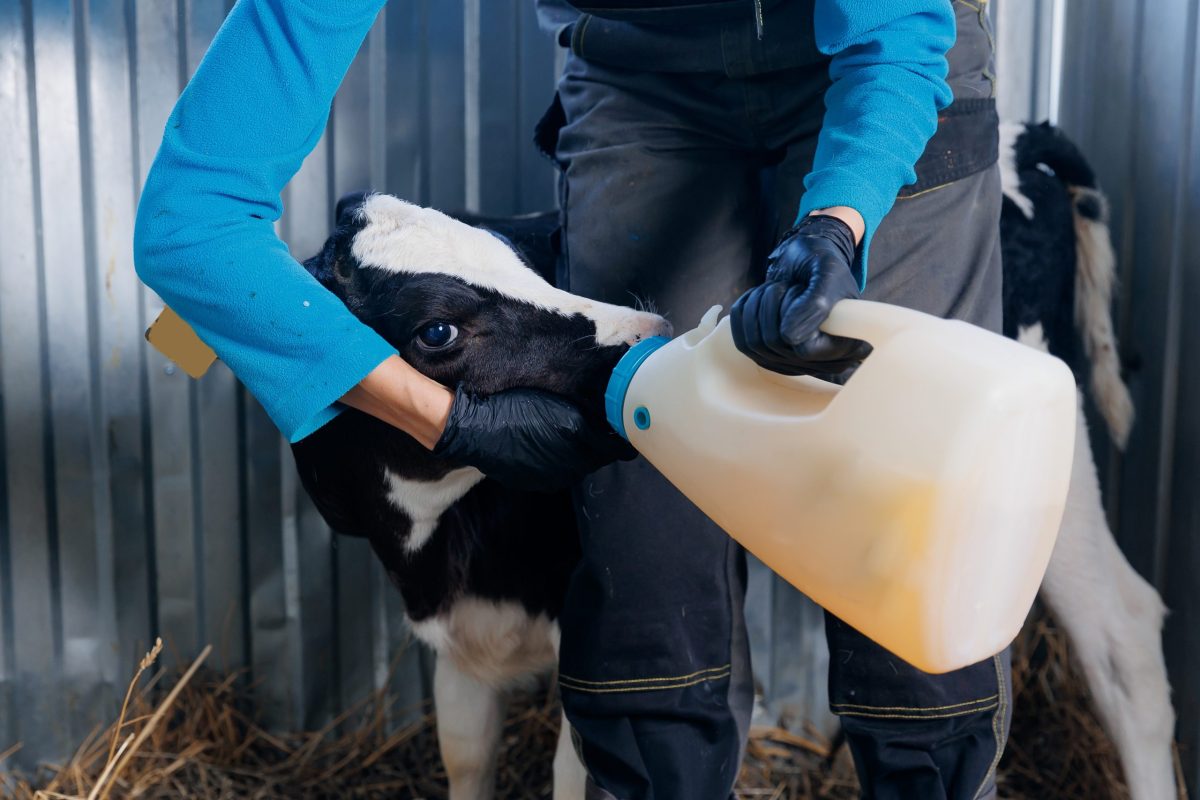
In today’s dairy world, the success of calves is often decided in the first few months of life. The first few weeks, particularly, can get calves off to a strong growth potential if managed correctly. Getting an optimal rate of gain is a balance between liquid and solid nutrition, beginning with high-quality milk replacers that provide the essential energy and protein for early growth. As the calf matures, the introduction of starter feeds becomes the primary driver for rumen development, ensuring a smooth transition from milk to grains. By aligning these feeding strategies with the calf’s rapidly changing needs, producers can maximize growth efficiency and ensure each heifer reaches her full genetic potential.
Quality Milk Replacer
When you’re picking out a milk replacer, you’re essentially looking for the best possible stand-in for mother’s milk to keep that calf growing fast and staying healthy. Most high-quality options use all-milk proteins like whey or skim milk powder because these are the easiest for a young calf to digest during those first few weeks of life. You’ll want to check the label for a protein level between 20% and 26% and a fat content of about 18% to 22% to make sure the calf has enough energy to grow and stay warm.
All-milk protein options use whey and casein to perfectly mimic a natural diet, which reduces the risk of scours. Accelerated formulas have a higher protein content of approximately 26% to 28% to support maximum frame growth and an earlier weaning date for dairy heifers. During the colder months, switching to a winter blend with 24% to 28% fat helps the calf maintain its body heat and prevent weight loss when temperatures drop. Many top-tier brands also incorporate health additives such as probiotics, essential oils, or postbiotics to strengthen the immune system and support a healthy gut environment from day one.
While we often think of protein as the top thing to look for in a milk replacer, we should also consider amino acids. A milk replacer balanced for the essential amino acids like lysine, methionine, and threonine can greatly boost your calf’s health and their rate of gain. Simply feeding for crude protein (CP) content and supplementing synthetic amino acids that are known to be limiting will not do the trick.
If a dairy is only providing a high protein diet, and not ensuring the amino acids are balanced, they risk much of the protein being wasted.
For example, feeding calves more milk is not always the best thing and can lead to overfeeding protein. Many dairy farmers understand the pitfalls of overfeeding protein to their cows, and the production loss that can occur because energy must be diverted from milk production to excrete excess nitrogen. This process of excreting excess nitrogen can be more taxing on a young calf’s system because they do not have a fully developed rumen to help recycle it.
Based on studies done by the Nurture Research Center, calves fed a 20% Crude Protein (CP) milk replacer with added amino acids achieved the same weight gain as calves fed a 22% CP milk replacer without added amino acids. These studies showed that supplemental amino acids increased Average Daily Gain (ADG) by about 10%. Similar results were seen when calves fed a 24% CP powder with supplemental amino acids at 1.5 pounds of powder grew at similar rates to calves fed a 28% CP powder without supplemental amino acids. In this trial, supplemental amino acids increased ADG by over 15%.
While there are a lot of milk replacers on the market that don’t balance for amino acids, there are some that do, so the next time you buy milk replacer be sure to ask questions that go beyond the CP level.
Starter Feeds
When you’re weaning your calves off milk replacer and on to soldi feeds, there are a few different options to get you started.
First, there are texturized starters. They mainly consist of a mixture of whole or steam-flaked grains, such as corn and oats, blended with a protein pellet and liquid molasses. This gets them interested in grains and gets their rumen ready for digesting even more grains. It has high starch because of the whole corn, and the molasses adds a quick hit of sugar for energy. The protein is usually tucked into a small pellet mixed in with the grain.
Next, there are pelleted starters. These usually are a meal and grain combination. The primary advantage of a pellet is that it prevents the calf from sorting the feed. So, there is less waste and they’re getting a balanced ratio of vitamins, minerals, and protein.
Extrusion is a more intensive process where the feed is cooked under high pressure and moisture, then forced through a die. This process can help with digestion and absorption. This means the calf gets more energy out of every pound of feed compared to the others. While extruded feeds are often more expensive due to the processing costs, they are highly digestible and virtually dust-free, which can be a major benefit for maintaining calf health in enclosed housing environments. It’s usually the most expensive, but you get a lot of value for the amount spent in terms of how much the calf actually absorbs.
The choice between these options often depends on your specific weaning goals and the housing environment. This is where it can be invaluable to speak directly with a company representative or a feed specialist to get a better picture of how specific products work with your goals.
Water
While it is easy to focus on high-quality milk replacers and grain, water is the most vital nutrient for a dairy calf’s survival and long-term performance. At birth, a calf’s body is composed of approximately 80% water; as the animal matures, this remains a significant factor, accounting for over 50% of its total body composition.
Water is required in greater quantities than any other nutrient because it serves as the primary medium for essential metabolic functions. It is the fundamental driver of digestion, as it facilitates the microbial fermentation necessary for rumen development. Beyond nutrition, water plays a critical role in reproduction and thermoregulation, allowing the calf to maintain a stable internal temperature during periods of heat stress or extreme cold. So, when we hit the extreme hot and cold months, make sure they have adequate access to water.
Since a calf is more than half water, even slight dehydration can cause immediate physiological stress and a drop in immunity. This is just the beginning where we start to see calves get sick, and as we know, sickness can progress rapidly. Water transports both minerals and waste in the bloodstream.
Providing free-choice water from the first day of life is essential because without adequate hydration the calf’s intake of dry feed will significantly decrease and the overall growth rate will suffer as the metabolic processes slow down to conserve moisture. Ensuring consistent access to clean, fresh water is one of the most cost-effective ways to guarantee a calf reaches its full genetic potential.
Early nutrition sets the stage for how much milk the cow will produce later on. To get the best growth, you need a good mix of liquid and solids for calves. High-quality milk replacer gives the calf the energy and protein it needs to start strong. By incorporating probiotics, and ammino acids, you can get calves off to a healthy start. As the calf grows, adding grain helps the rumen develop. This change is key for moving the calf from milk to grain without slowing down its growth.
Still, none of these feeds work well without water. A calf is about 80% water at birth and stays over 50% water as it grows. Because of this, staying hydrated drives every part of its health. Water is the nutrient calves need most to help with digestion and staying cool. Without clean water to drink, a calf won’t eat enough grain to grow its rumen. This lack of water stops them from gaining weight like they should. By giving the right mix of water, milk, and grain, you help every calf reach its full potential.
April 2026
By Jessica Graham