
Protect Your Herd Against Mastitis
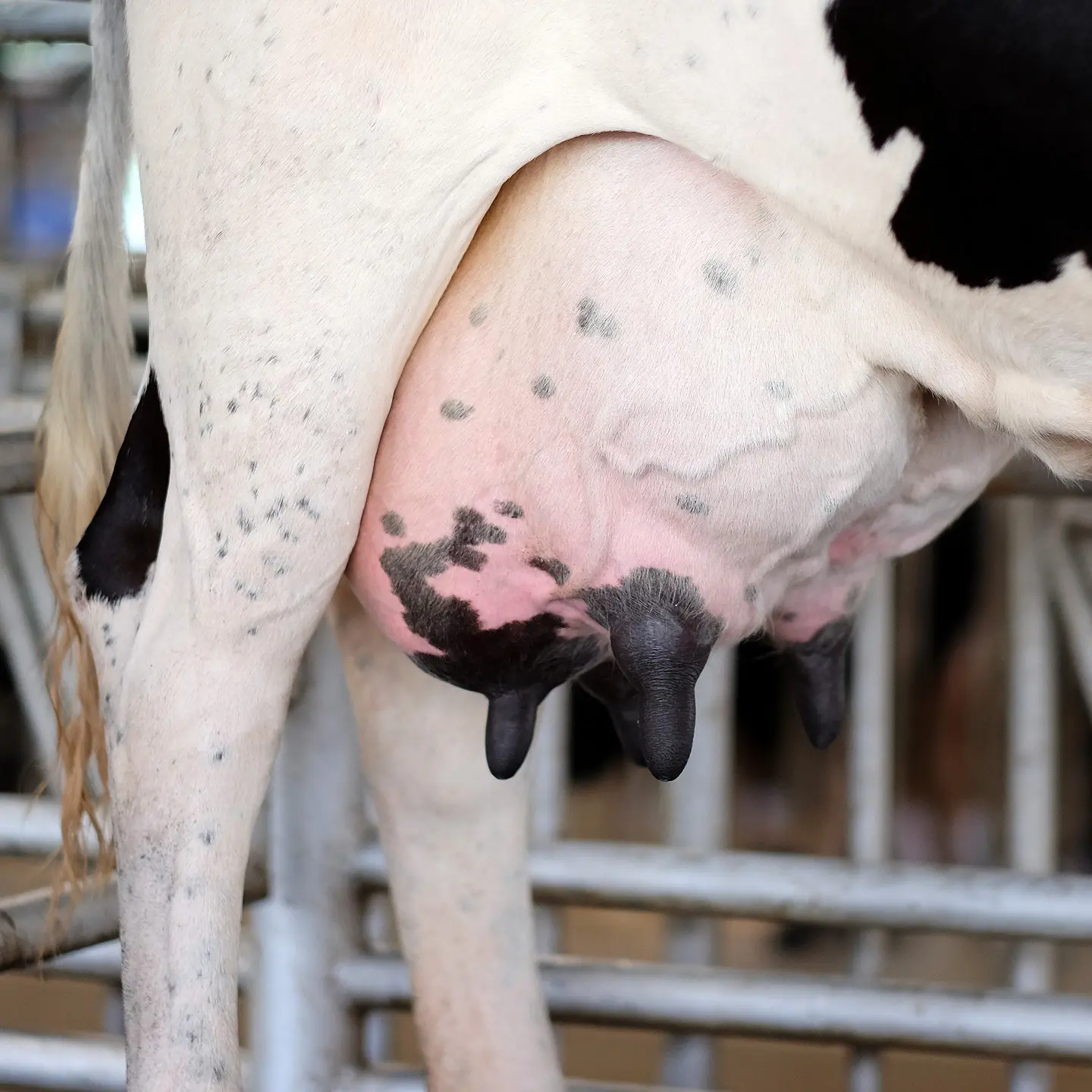
Protect Your Herd Against Mastitis: Why Fly Control is a Must-Have Defense
Every dairy producer understands the impact mastitis has on milk production, herd health, and profitability. It remains one of the costliest diseases in the dairy industry. While bacteria cause mastitis, flies are an important vector that spreads those bacteria.
House flies and horn flies carry mastitis-causing pathogens and many other diseases. Without an effective fly control program, populations can explode, increasing the risk of infection, inflammation, and permanent udder damage.
Fortunately, proactive fly management can greatly reduce these risks while improving herd health and profitability.
Meet the House Fly
The house fly (Musca domestica) is one of the most common pests on dairy farms. It thrives around manure, decaying organic matter, and feed.
Females can lay up to 150 eggs at one time. Under ideal conditions, a new generation develops in just 7 to 10 days, allowing populations to grow rapidly.
Identifying House Flies
- Dull gray, non-metallic body.
- Four black stripes on the thorax.
- Pale yellow abdomen.
House flies spread more than 65 disease-causing organisms. Their sponging mouthparts pick up pathogens from contaminated surfaces and deposit them on teats, feed, or wounds.
One major consequence is mastitis, an inflammation of the mammary gland that destroys milk-producing tissue.
Meet the Horn Fly
Horn flies (Haematobia irritans) present a different challenge.
These blood-feeding flies cluster on the backs, shoulders, and udders of cattle on pasture. Unlike house flies, they develop only in fresh, undisturbed cattle manure.
Horn flies take 20 to 40 blood meals each day, causing constant irritation. As few as 50 horn flies per cow can reduce milk production and slow heifer growth.
Identifying Horn Flies
- Smaller than house flies.
- Gray body with two thorax stripes.
- Usually remain on the animal.
- Cause tail swishing and bunching behavior.
Horn flies damage teat skin as they feed. Small scabs form, creating entry points for bacteria, especially Staphylococcus aureus, a leading cause of heifer mastitis.
The flies then spread these bacteria from animal to animal.
The Hidden Threat: Heifer Mastitis
Many producers think mastitis affects only lactating cows. Research shows otherwise.
Dr. Stephen C. Nickerson of the University of Georgia reports that 75% of heifers have teat or udder infections before calving. Flies are responsible for about 50% of those infections.
Heifer mastitis often goes unnoticed until the animals freshen with blind quarters—nonfunctional teats that never produce milk.
The Cost of Blind Quarters
- Reduced lifetime milk production.
- Higher culling rates.
- Significant long-term economic losses.
Front quarters are often affected most because flies can feed longer without being disturbed by the tail.
How Flies Spread Mastitis
Flies contribute to mastitis through a simple cycle.
Teat Irritation
Horn flies repeatedly bite the teats, causing inflammation and scabbing.
Bacterial Growth
The scabs provide an ideal environment for Staphylococcus aureus.
Bacterial Transfer
As flies move between animals, they carry bacteria on their bodies and mouthparts.
Infection
The bacteria enter the teat canal and spread into the udder, where they destroy milk-producing tissue.
Once tissue is damaged, it cannot recover. Preventing fly bites is one of the best long-term strategies for preventing mastitis.
How ClariFly® Larvicide Works
Unlike products that kill adult flies, ClariFly® Larvicide targets flies during the larval stage.
After being mixed into feed, the product passes through the animal unchanged and is excreted in manure. There, it prevents larvae from developing into reproductive adults without adding labor to the operation.
For maximum control, ClariFly® Larvicide should be combined with a complete Integrated Pest Management (IPM) program that targets both larvae and adult flies.
Building an Effective IPM Program
A successful IPM program begins with planning. Producers should identify the problem species, understand their biology, and develop a control strategy.
Implementation should combine several control methods.
Improve Sanitation
Reduce breeding, feeding, and resting sites by regularly cleaning facilities and maintaining surrounding vegetation.
Encourage Natural Predators
Beneficial insects such as parasitic wasps and dung beetles help destroy fly eggs and larvae.
Monitor Fly Activity
Use sticky tapes and fly traps to monitor fly populations and evaluate control efforts.
Control Adult Flies
Use approved sprays and baits when needed.
Target Developing Larvae
Include feed-through larvicides such as ClariFly® Larvicide to stop flies before they emerge.
Good sanitation may have the greatest impact on fly control. Some entomologists estimate that proper facility maintenance alone can reduce fly populations by as much as 75%.
Effective manure management and regular cleaning remain essential.
Evaluate Your Program
The final step of an IPM program is evaluation.
Keep records of fly activity, treatment locations, environmental conditions, and management practices. These records help identify which control methods work best and improve future fly management decisions.
Treat the Entire Herd
Successful fly control requires treating the entire herd.
ClariFly® Larvicide is approved for all life stages, from calves to lactating cows.
Adding ClariFly® Larvicide to calf starter and using ClariFly® Add-Pack in milk helps reduce fly development in calf manure while protecting young animals from the beginning.
Protect Herd Health and Profits
Mastitis is one of the dairy industry’s most costly diseases, but it is also one of the most preventable.
Understanding the role flies play in disease transmission and implementing a comprehensive IPM program that includes ClariFly® Larvicide can reduce fly populations, lower mastitis risk, improve milk production, and protect herd profitability.
For more information, visit CentralFlyControl.com or contact your local feed representative.
Follow us on Facebook! American Dairymen | Facebook