Raising Dairy Goats Organically
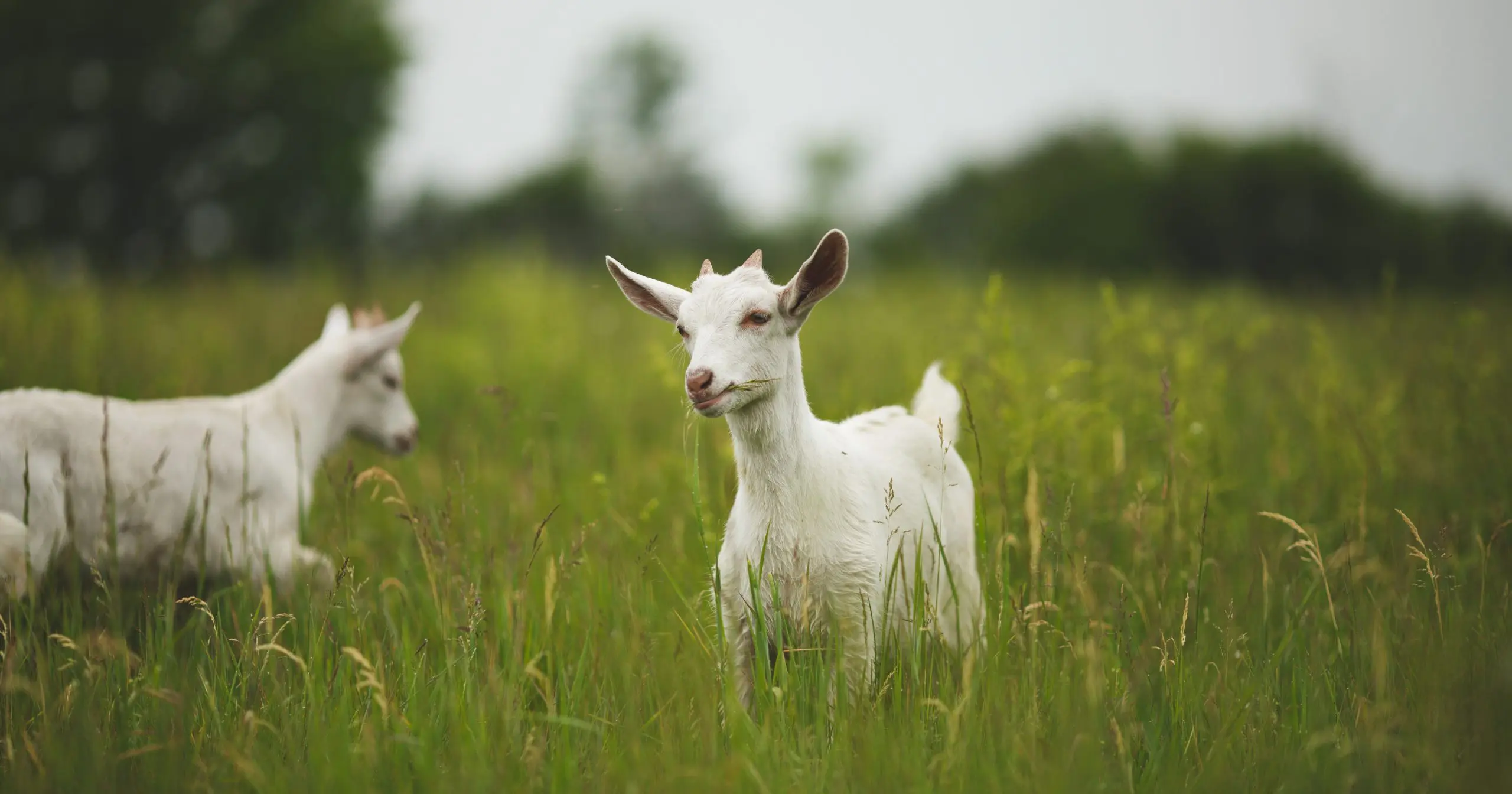
Raising Dairy Goats Organically
By Larry Tranel, Dairy Field Specialist, Iowa State University Extension and Outreach
Dairy goat milk is valued for its reported benefits in nutrition, skin care, and other applications. As consumer interest continues to grow, the organic dairy goat industry is expanding in many regions.
However, organic goat milk production is still in its early stages. One of the biggest challenges is developing reliable markets for organic milk, cheese, soap, and other goat products.
Profit Potential and Market Challenges
Marketing remains one of the largest obstacles to profitability. Even conventional dairy goat operations can struggle without strong markets, and organic producers face additional challenges.
Organic milk often sells for 50% to 100% more than conventional milk, and sometimes even higher. Producers may also receive premium prices for:
- Cull does and bucks.
- Kids.
- Manure, if sold rather than used as fertilizer.
Ultimately, having a dependable market is critical to the financial success of an organic dairy goat operation.
Understanding the Cost Trade-Offs
Producing milk organically changes both income and expenses.
Feed costs may increase or decrease depending on the operation. USDA Organic Standards require goats to obtain at least 30% of their dry matter intake from pasture during the grazing season, which can reduce purchased feed costs. However, greater reliance on pasture may also reduce milk production.
As a result, feed costs per doe may decline while feed costs per hundredweight (cwt.) of milk produced may increase.
Pasture-based systems can also increase parasite pressure, and limited treatment options may raise health management costs. These factors illustrate the trade-offs producers should consider before transitioning to organic production.
Organic Certification Requirements
Organic producers must meet USDA Organic Standards, and some states may have additional regulations.
Basic requirements include:
- No antibiotics, growth hormones, or pesticides used on animals.
- No conventional pesticides, herbicides, fungicides, or synthetic fertilizers used on crops.
- Organically produced seed, when available.
- Feed grown on certified organic land.
- Purchased feed and bedding must be certified organic.
- Goats must graze for a minimum of 120 days each year and obtain at least 30% of their dry matter intake from pasture during the grazing season.
- New fence posts cannot be treated.
- Organic dairies must be inspected by an organic certifier or government agency to verify compliance.
- Processors and handlers of organic goat milk must also be certified organic.
- Goats must have access to shelter, shade, fresh air, sunlight, and protection from adverse weather. Winter confinement may be necessary depending on conditions.
Transitioning to Organic Production
Before certification, producers must demonstrate that no prohibited substances have been applied to the land for 36 months.
Previous crop records, feed purchase records, and herd health records are essential for certifying both the land and the animals.
Most dairy goats must consume organic feed for one year before certification. Doelings, however, must be fed organically from birth.
This creates challenges because few milk replacers are certified organic. As a result, kids are often left with their dams until weaning or bottle-fed organic goat milk.
Young kids are also susceptible to scours and other diseases, but antibiotics and coccidiostats cannot be used. Consequently, raising replacement animals organically is often more difficult than in conventional systems.
The Transition-Year Exception
During the transition year, producers may market products as transitional.
For the first nine months, goats may receive up to 20% conventional feed. After that period, they must be fed 100% organic feed to qualify for full organic certification.
Herd Health and Management
Because treatment options are limited, preventive management becomes even more important.
Overstocking pastures can increase parasite problems, while overcrowded housing can reduce ventilation and increase disease risk.
Successful organic operations rely on:
- Regular pasture rotation.
- Clean housing.
- Adequate bedding.
- Proper ventilation.
- Strong preventive health management.
Treating Sick Animals
A goat loses its organic status if it is treated with antibiotics or other prohibited substances.
However, producers are required to treat sick animals when necessary, even if doing so means the animal can no longer be marketed as organic. Those animals must instead be sold through conventional markets.
Whenever possible, producers should use effective treatment methods that comply with organic standards.
Looking Ahead
Organic dairy goat production offers an alternative approach for producing milk and value-added goat products. While organic products can command premium prices, profitability depends heavily on market access and careful cost management.
As consumer interest in the health benefits of goat milk continues to grow, demand for organic dairy goat products is also expected to increase. Producers who understand the certification requirements, develop reliable markets, and manage their herds effectively may be well positioned to capitalize on that growing demand.
Follow us on Facebook! American Dairymen | Facebook