Turning Dairy Data Into Better Decisions
Turning Dairy Data Into Better Decisions
By Jessica Graham
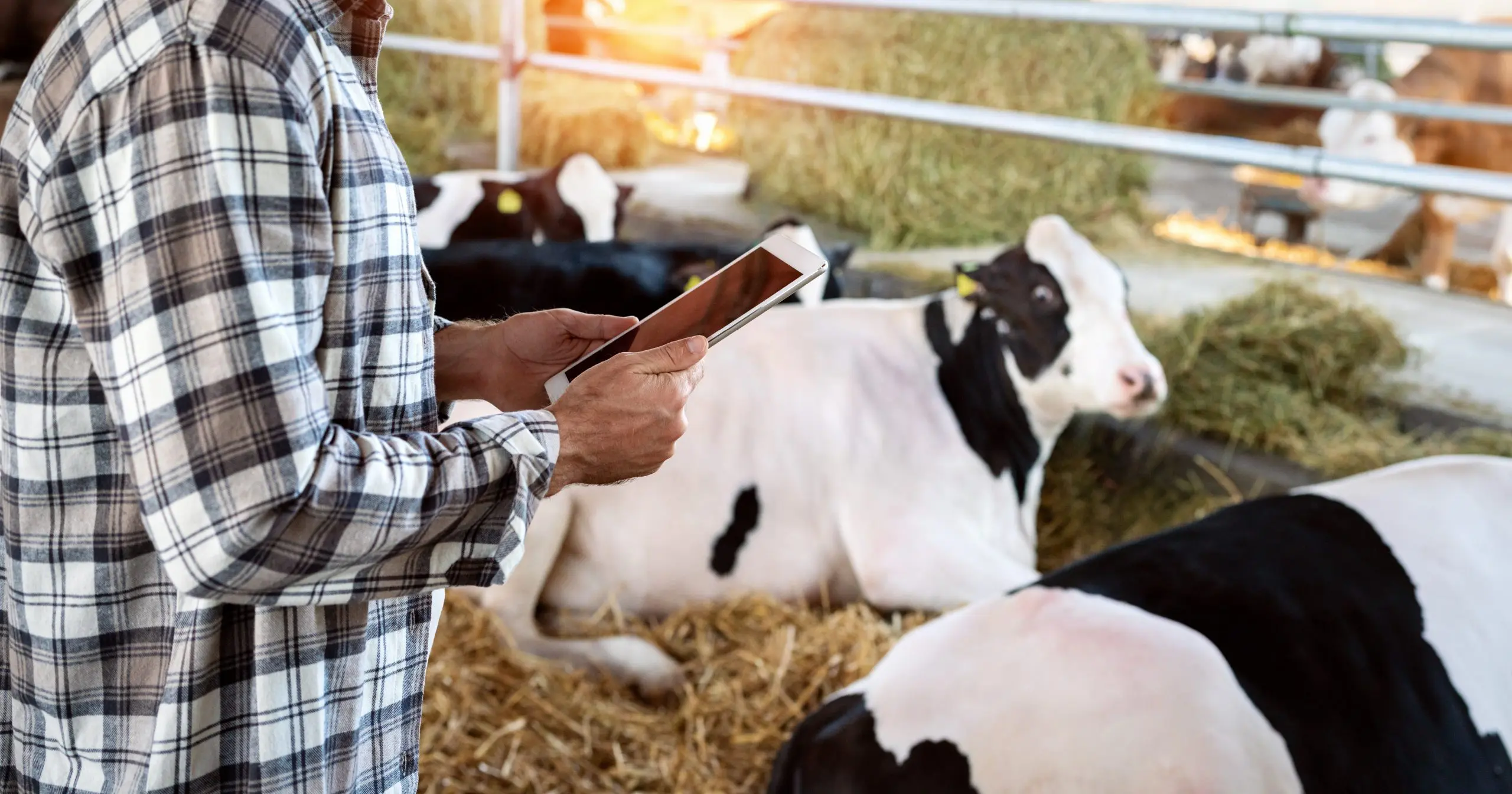
With the recent boom of technology, how we use it, modern dairy farms generate more data than ever before. Every day, producers collect information on milk production, milk components, reproduction, herd health, feed, activity, treatments, and more. Milking systems and other farm technology can add even more information to the records. One thing is becoming clear, if you’re not analyzing and using that data, you’re not improving and advancing your farm.
The challenge is no longer simply collecting data. The challenge is knowing what to do with it. Data management and analysis systems can help dairy producers turn all that information into useful tools for making decisions. The right system can organize records, identify trends, save labor, and help producers respond to problems sooner. It can also provide a better picture of how individual cows and the herd are performing. For dairy producers, good data management is becoming an important part of managing an efficient and profitable operation.
Start With the Data That Matters
There are many data management programs available today. Some are designed to handle many parts of the farm. Others focus on specific areas such as reproduction, feeding, animal health, or activity monitoring. It might be overwhelming. That does not mean a dairy needs to collect every possible piece of information.
Before choosing a system, producers should determine what data is most important to their operation. The first step is understanding what information is already being collected and whether it is actually being used.
A useful system should make important information easier to understand. It should not simply create more records for employees to enter and producers to manage.
Producers should also consider the size and structure of their operation. A dairy with several locations may need a system that can track cows across different facilities. It may also need a central database that allows managers to see information from multiple locations. The goal is to build a system around the needs of the dairy, rather than trying to make the dairy fit a particular software program.
From Records to Decisions
Collecting information is only the beginning. The real value of data comes from using it to make decisions. A good management system should help turn large amounts of information into useful reports and trends. Instead of looking through pages of records, producers should be able to quickly see what is happening in the herd.
For example, a producer may want to identify cows with declining production. Another may want to track calving data. Changes in activity or behavior may also point to an animal that needs attention.
The more information that can be brought together, the better picture a producer can have of an individual cow. This is where data analysis becomes important. A single record may not tell a producer much. A series of records over time can show a trend. That trend may reveal a problem before it becomes a major issue.
Making Dairy Data Easier to Use
Ease of use is one of the most important parts of any data management system. If a program takes too much time to use, employees may not enter information consistently. If the reports are too complicated, producers may not use them to their full potential.
The best systems should fit into the normal workflow of the dairy. Automated data collection can help. RFID tags, activity monitors, sensors, cameras, milking equipment, and automated feeding systems can collect information without requiring employees to record every event by hand.
Reducing manual data entry can also reduce errors. A system should also be easy for the entire farm team to understand. Employees may be entering information. Managers may be reviewing reports. Veterinarians and nutritionists may need access to certain records. The right system can help all of these people work from the same information.
Connecting Different Dairy Systems
Modern dairies often use more than one technology system. A farm may have herd management software, activity monitors, automated feeding equipment, robotic milking systems, parlor equipment, and other precision tools. Each system may collect valuable information. The ability to connect those systems can make the data much more useful.
When programs can communicate with each other, information does not have to be entered multiple times. This saves labor and can reduce mistakes.
For example, an individual cow’s identification can be connected with production, health, reproduction, and activity information. Instead of looking at each record separately, the producer can have a more complete picture of that cow. Integration can also help a dairy avoid being locked into a system that does not meet its future needs.
Using Data to Improve Herd Health
Herd health is one of the most important areas where data management can help.
Dairies already collect large amounts of health information. This can include treatment records, vaccination records, calving information, breeding dates, and other health events.
Digital records make it easier to find this information when it is needed. They can also help producers look for patterns.
Activity and behavior monitoring can provide another source of information. A cow that changes her normal behavior may need closer attention. Changes in movement or activity can sometimes provide an early warning that something is wrong.
Additionally, video technology is also becoming part of this discussion. New systems are being developed to use cameras and artificial intelligence to monitor cattle behavior and movement. Some systems are designed to identify possible lameness. Others can monitor behavior and provide alerts when an animal shows changes that may indicate a health or welfare concern. These technologies are still developing. They are not a replacement for good animal observation or veterinary care. Instead, they can provide another tool for helping producers identify animals that may need attention.
Feeding and Production Information
Feed is one of the largest costs on a dairy farm. That makes feed data invaluable. Digital feeding systems can help producers track feed use, inventories, ration information, and other feeding details. Some systems can provide information in real time. This can help producers keep a closer eye on feed inventory and production costs.
When feed information is combined with milk production data, producers can get a better idea of how efficiently the dairy is using its inputs. The same concept can be applied at the individual animal level when technology allows feed and production information to be connected.
Real-Time Data Changes the Game
One of the biggest changes in dairy technology is the move toward real-time information. In the past, much of a farm’s information had to be written down and entered later. Today, many systems can collect information automatically and make it available almost immediately.
That can make a major difference in how quickly producers respond. A change in a cow’s activity may trigger an alert. A change in production may point to a problem. A feeding system may identify an issue with feed use. A camera may identify an animal that needs to be checked.
Instead of waiting until the next time records are reviewed, producers may be able to act much sooner. Real-time data can also allow producers to keep an eye on the farm when they are away. Information can often be viewed from a computer or mobile device. This does not replace being in the barn. It does give producers another way to stay informed.
Choosing the Right System
There is no single data management system that will work for every dairy. Before making a purchase, producers should identify what they want the system to accomplish.
Consider the size of the dairy. Consider the number of employees who will use the program. Look at the technology already on the farm. Think about what information is most important.
Cost is another consideration. Some systems have an upfront cost. Others require monthly or yearly fees. Automated systems may also require additional equipment such as RFID tags, sensors, cameras, or activity monitors. The return on investment may not always be easy to measure, and you might have to try and place a value on things like “peace of mind”.
A data system may not directly increase the milk check. Instead, its value may come from saving labor, reducing waste, improving reproduction, finding health problems sooner, or helping producers make better culling and management decisions.
Looking Ahead
Dairy technology will continue to change, especially with the rapid growth and integration of artificial intelligence. Artificial intelligence, cameras, sensors, activity monitors, automated feeding systems, robotic equipment, and other technologies are becoming more common. These systems will continue to generate new sources of information.
Facial recognition and video analysis are examples of technologies that may become more useful in the future. These systems are being developed to identify individual animals and monitor behavior. The potential is significant. A cow could potentially be identified without relying on a physical tag. Her digital record could then connect with information about breeding, health treatments, production, and other management events.
The Goal Is Better Management
The purpose is to make better decisions. A dairy can collect thousands of data points every day. If that information is never reviewed or used, it has limited value. The most useful systems help producers turn information into action. They help identify problems. They show trends. They help track results. They make it easier for the farm team to work together.
Follow us on Facebook! American Dairymen | Facebook