
Winter Water Management
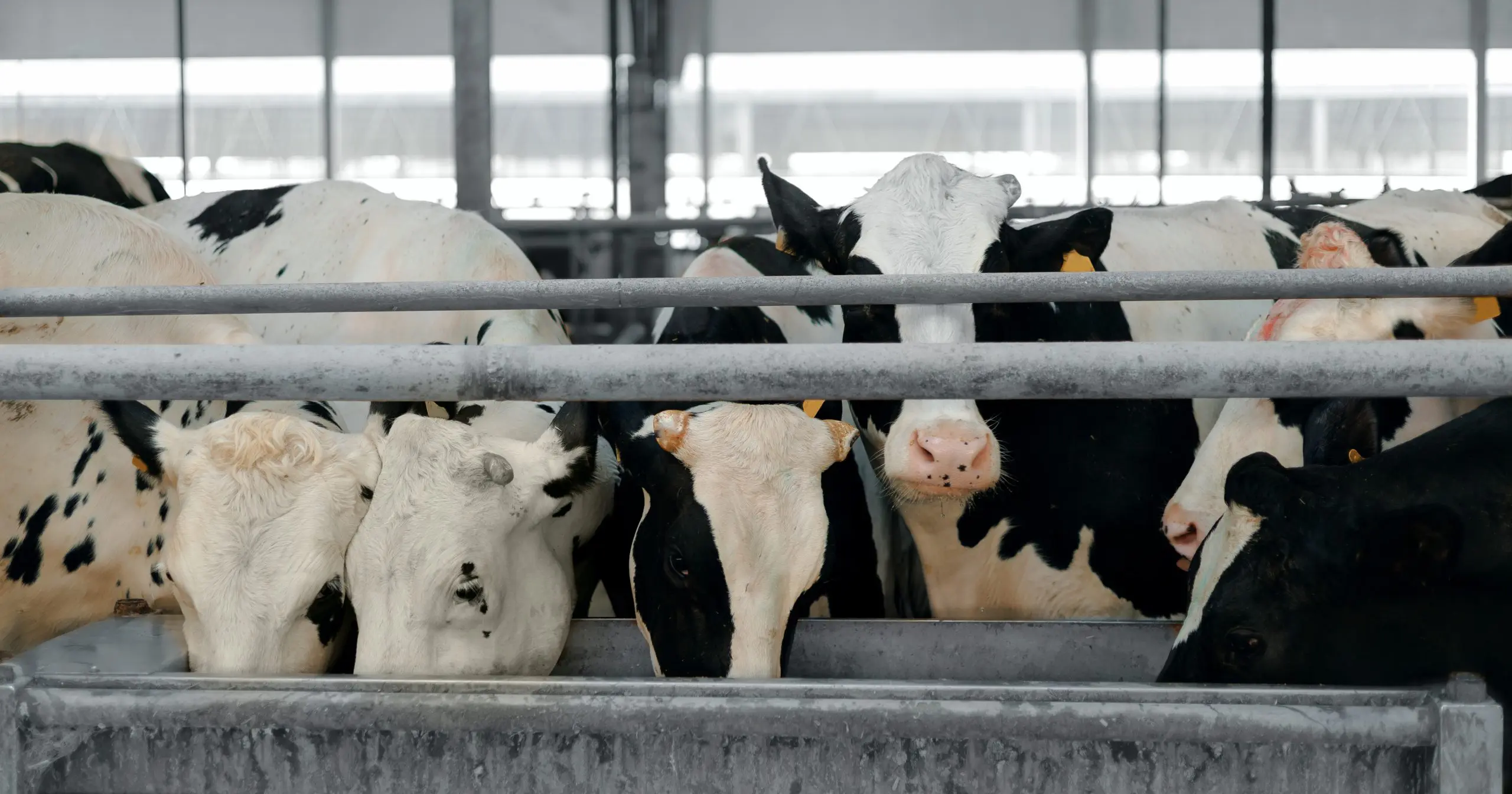
Winter Water Management
By Jessica Graham
When winter settles in, life on the dairy farm can get hectic and dairymen have plenty to watch. Feed, bedding, ventilation, body condition, and keeping cows comfortable all move higher on the priority list. Is water on your list too?
A dairy cow can go only so long without adequate water before her performance begins to suffer. Water supports nearly every process in the cow’s body, from digestion and nutrient absorption to temperature regulation and milk production. When temperatures drop, keeping that water clean, accessible, and flowing becomes even more important.
Milk is about 87% water, and a high-producing dairy cow may drink 30 to 50 gallons of water in a day. Much of that demand comes at key times, especially after milking. If water is frozen, too cold, difficult to reach, or moving too slowly, cows may simply drink less. That can lead to lower feed intake, which makes it harder for them to maintain body condition and keep up with milk production.
Winter water management is not just about preventing a waterer from freezing. It is about making sure every cow has reliable access to enough clean, palatable water every day, regardless of the weather. A well-designed and properly maintained water system can help keep cows drinking, eating, and producing when winter puts the rest of the dairy to the test.
Winter changes some of the factors that affect water intake. Cows usually drink less in cold weather than they do during summer heat. That does not mean water becomes less important. In fact, keeping water available during cold weather can help cows continue eating and maintain production.
Winter water management should include the entire dairy herd. Calves need access to fresh water even though much of their early water intake comes from milk or milk replacer. Penn State research has found that calves with free-choice water had greater milk intake and better growth and feed efficiency during the pre-weaning period.
Cold weather can make water access more difficult for young animals. Offering clean water frequently and keeping it from freezing can help. Heifers also need reliable access to water. Penn State notes that dairy heifers between 5 and 24 months may drink roughly 3.8 to 9.6 gallons per day, depending on age and conditions. Young animals may not have the same water demand as a high-producing milk cow, but their needs still matter.
Water and Feed Go Hand–in–Hand
Water and feed intake are closely tied together. A cow needs water to digest feed and move nutrients through her body. This becomes especially important in winter. Cattle use more energy to stay warm when temperatures fall. Dairy cows may increase their feed intake to help meet that added energy demand. Fermentation in the rumen produces heat, which helps the cow maintain her body temperature. The digestive system needs adequate fluid to process that additional feed.
Julie Walker, a beef specialist with South Dakota State University, has summed up the relationship simply: “If cattle don’t have water, they won’t eat much, and if they don’t eat enough, they can’t stay warm.” A cow that does not drink enough may not eat enough. Less feed intake can mean less energy available for milk production and body maintenance. For a high-producing dairy cow, that can become a problem quickly. You will see it in your profit margins too.
Penn State Extension notes that water intake in dairy cattle is influenced by milk production, dry matter intake, ration moisture, weather and water quality. Lactating cows have much higher needs than dry cows, so producers should consider the needs of each group when planning their water system.
Winter Water Temperatures
One common question during winter is how warm the water should be. Cows do not need hot water. However, extremely cold water can reduce intake. The University of Minnesota Extension recommends monitoring water temperature during cold weather and notes that dairy cows prefer water in the range of about 40 to 65 degrees Fahrenheit. Frozen water or excessively cold water can reduce both water and feed intake.
This makes winter water management more than simply keeping the ice out. A waterer may technically be open, but if the water is extremely cold, flow is poor or cows have to fight for access, intake may still suffer.
Producers should walk through their barns and really evaluate their water systems prior to freezing temps. Ask yourself: Is water easy to find? Is it clean? Is there enough room for several cows to drink? Is the flow fast enough to keep up after milking? These questions matter.
Give Cows Plenty of Access
Water location is another important part of winter management. Dairy cows tend to drink several times throughout the day. They also tend to gather around water at the same time, especially after milking and feeding. That can create competition if there are not enough watering points.
Penn State Extension recommends providing about 3.5 to 4 inches of waterer perimeter space per cow in group housing. Larger pens should have at least two water locations. Water should also be available within about 50 feet of the feed bunk or at crossover areas in freestall barns.
Cows returning from the parlor are especially important. They have just spent time away from feed and water. Once they return to the pen, they need an easy place to drink. Becker, in Penn State’s The Value of Water, recommends that water be “immediately accessible after returning from milking.”
The research shows that fresh water after milking can encourage cows to drink and eat. It also keeps them on their feet after milking, giving the teat canal time to close before they lie down. This is one part of a larger effort to support udder health.
Keep Up With Demand
Having water in the tank is only part of the equation. The system also needs to deliver water fast enough to meet demand. A cow can drink several gallons of water in a short period. Penn State notes that cows may drink at a rate of about 3 to 5 gallons per minute. That means a group of cows can quickly put a heavy demand on a water system.
Becker notes that cows may consume 30% to 50% of their daily water intake within about an hour after milking. If several cows are drinking at once, a slow water system can create a bottleneck. Water lines, valves and pumps can slow down or freeze and hinder that too. A system that works well during warmer months may struggle when temperatures drop below zero.
Dairymen should check flow rates during the busiest times of the day. A waterer that looks fine when only a few cows are drinking may not keep up when an entire pen comes back from the parlor.
Keep Water Clean
Clean water matters in every season, and winter is no exception. Cows can be picky about water. They may reduce their intake if water has an off taste or odor. Manure, feed, minerals and other material can build up in waterers and tanks.
Water quality is easy to overlook because problems are not always visible. A tank can look clean while the water contains elevated levels of minerals or other contaminants.
Penn State Extension notes that water quality problems can reduce intake because of bad taste and odor. Iron, manganese and hydrogen sulfide are among the potential concerns in dairy water supplies. Other contaminants, including nitrates and heavy metals, can also create problems.
If cows are drinking less than expected, look at the entire system. Is the water clean? Is the temperature acceptable? Is the flow rate fast enough? Is there enough space for cows to drink? Are the lines working properly? A good water system is more than a tank full of water.
Penn State recommends cleaning waterers on a regular schedule and checking them often. Water quality testing can also identify problems that are not visible to the eye. Penn State also notes that water intake problems are often caused by more than one factor.
Don’t Let Water Freeze
It may seem obvious, but frozen water is one of the biggest winter risks on a dairy farm. During freezing weather, producers should check water sources every day, including tanks, bowls, valves, pumps and exposed water lines. The University of Minnesota Extension recommends checking waterers regularly for frozen water and using a thermometer to make sure tank heaters and heating elements are working properly.
The goal is to prevent freezing rather than constantly react to it. Electric heaters are one option. Heated waterers, insulated tanks and protected water lines can also help. The right system will depend on the dairy, the number of cows using the waterer and the climate.
Check Pumps and Waterlines
The water in the tank is not the only thing that can freeze. Water lines are also vulnerable. A frozen line can shut down an entire water system, while expanding ice can crack or burst pipes. Repairs can be expensive and, more importantly, leave cattle without water when they need it most. In areas with tough winters, sometimes we battle underground pipes bursting during the coldest times. Before winter, inspect water lines and identify areas exposed to cold air. Underground lines should be installed below the local frost line, while exposed lines should be insulated or otherwise protected.
Pay special attention to areas around the parlor, milkhouse and other locations where water is used heavily. A small leak may not seem like a major problem in October. In January, it can become a frozen mess.
Pumps are another critical part of the system. A pump failure during mild weather may be an inconvenience. During a deep freeze, it can quickly become a major problem. Before winter, inspect pumps, floats, valves, gaskets and connections. Make sure replacement parts are available and that employees know what to do if the system fails.
Winter is not the time to discover that a critical valve is worn out or a heating element no longer works. A few hours of preventive maintenance can save a lot of trouble later.
There is no single water system that works for every dairy. Some farms use tanks or automatic waterers. Heated systems can be useful in areas where freezing is a regular concern.
The system should match the herd and the facility. Start with the number of cows using the waterer. Then consider flow rate, water source, line size, power availability and the amount of storage needed. Location matters, too. A waterer tucked into a windy corner may freeze more easily than one protected from the wind. A waterer that is too far from the feed bunk may also be used less frequently than one that is conveniently located. The best system is not necessarily the most expensive. It is the one that reliably delivers clean water when the cows need it.
Automatic Waterers
Automatic waterers are a common option on dairy farms. Their biggest advantage is simple: they provide fresh water without requiring someone to fill a tank by hand. However, automatic does not mean maintenance-free.
Valves can fail, heaters can burn out, ice can build up and electrical problems can shut down a system. Proper installation is also important. Water lines need protection from freezing, and the waterer needs to be sized for the number of animals using it.
Insulation can help reduce heat loss. Some modern systems combine insulation with electric heaters, while others rely on ground heat, water flow or other methods to limit freezing.
When comparing systems, producers should look at the entire setup rather than just the waterer. Ask yourself: How deep are the water lines? How much water can the source provide? How many cows will use the unit? What happens if the power goes out? What happens if the heater fails? Those questions become especially important when temperatures fall.
Have a Backup Plan
A well-maintained system can fail. A heater can burn out. A pipe can freeze. A breaker can trip. A pump can quit. Dairymen should know how they will provide water if the primary system goes down. That may mean having access to a backup water source, portable tanks, hoses or other equipment.
I know some southern cattlemen and dairymen use a system where the water keeps flowing at a low rate from the dispenser. Between the trickle of the water and the cattle drinking, the ice crystals do not have time to form a sheet of ice. This may not be the best fit for dairymen in the north, but it may work for a short-term backup plan. The plan does not have to be complicated. It just needs to work. One of the biggest mistakes a producer can make is waiting until cattle are without water to figure out what to do.
Managing Water Through Winter
Winter water management may not be the most exciting part of dairy management, but it can have a major effect on the herd this winter. Cows need water to eat, digest feed, produce milk and stay healthy. Cold weather adds another challenge because cows need enough energy to stay warm, and that energy comes from feed. To process that feed, they need water.
The connection is simple: Water supports feed intake. Feed provides energy. Energy helps cows handle the cold. For dairy producers, the goal is to keep that cycle moving all winter. Start before the first hard freeze. Inspect the waterers, test the water, check the lines, service the pumps and heaters, and make sure there is enough drinking space and flow for the entire group. Then keep checking throughout the winter.
Water problems rarely happen at a convenient time. A frozen line or failed heater can become a major issue in a matter of hours. As temperatures drop, the best water system is one the cows barely notice. The water stays clean. The flow stays steady. The ice stays out. And the cows keep eating, drinking and producing.
That is the real goal of winter water management: keeping fresh, clean water available every day, no matter what the weather brings.
Follow us on Facebook! American Dairymen | Facebook