
Check back for the official launch date of the American Dairymen Podcast. We are excited to roll out the podcast that will be covering just about every topic that concerns the American dairy farmer.
Previous Episodes
Making Cattle Processing Easier: Matt Poindexter of Midnight Cattle Tags
In this episode of Cattlemen and Veterinarians: A Partnership in Bovine Health, hosts Kaid Panek and Dr. Shynia Peterman, DVM, sit down with Matt Poindexter of Midnight Cattle Tags to explore practical ways cattle producers and veterinarians can make processing cattle safer, faster, and more efficient. 
Matt’s background in the cattle industry has taken him from his family’s Missouri farm to an extraordinary experience helping develop beef cattle operations in Russia. After returning home, Matt became involved in backgrounding cattle and custom cattle tags before eventually helping launch Midnight Cattle Tags. What started as late-night tag printing and a desire to solve everyday problems has developed into innovative tools designed by people who actually work cattle.
A major focus of the conversation is Midnight Cattle Tags’ battery-powered ear tagger and tattooer. Matt explains how a hand injury originally inspired him to develop an easier way to apply cattle tags. Instead of repeatedly squeezing a traditional applicator, the battery-powered system allows operators to place tags with the pull of a trigger, reducing strain during long processing days.
The group also discusses cattle handling, workplace safety, efficiency, and the importance of developing a processing crew where everyone understands their role. Matt’s philosophy is simple: less is more. A smaller, experienced crew can often process cattle more calmly and efficiently while reducing unnecessary confusion around the chute.
Listeners also get a preview of products under development, including battery-powered syringes, ear notchers, chute-mounted coolers, and livestock management technology designed to improve medication tracking, inventory, billing, and communication with veterinarians.
Ultimately, this episode demonstrates how practical innovation can improve cattle processing for both animals and handlers. From reducing repetitive strain to improving workflow and animal handling, Matt, Kaid, and Dr. Shynia Peterman offer producers useful ideas for making the next processing day safer and smoother.
For Future or Previous episodes visit our websites:
Cattlemen and Veterinarians: A Partnership in Bovine Health Sponsored by:
Theileriosis, Anaplasmosis & Herd Health – Cattlemen & Veterinarians
In this episode of Cattlemen and Veterinarians: A Partnership in Bovine Health, hosts Kaid Panek and Dr. Shania Peterman, DVM, welcome Dr. Bob Gentry, DVM, Technical Services Veterinarian with MedGene, for an in-depth discussion on two emerging and economically significant cattle diseases: bovine theileriosis and anaplasmosis. As tick populations expand across the United States, understanding these diseases has become increasingly important for cattle producers looking to protect herd health and minimize production losses.
Dr. Gentry explains the differences between anaplasmosis, a bacterial disease that has long been established throughout much of the country, and bovine theileriosis, an emerging disease caused by the Theileria orientalis Ikeda strain and spread primarily by the invasive Asian longhorned tick. Although the diseases share many clinical signs—including anemia, jaundice, lethargy, and reduced performance—accurate diagnosis through laboratory testing is essential because treatment and management strategies differ significantly.
The conversation explores where these diseases are currently found, how they continue to spread, and the role ticks, biting insects, contaminated needles, and animal movement play in disease transmission. Dr. Gentry also discusses available diagnostic tools, treatment options for anaplasmosis, why no approved treatment currently exists for bovine theileriosis, and the exciting progress being made toward new vaccines designed to help producers better protect their herds.
Throughout the episode, Kaid and Dr. Peterman emphasize the importance of proactive herd health management, biosecurity, and working closely with veterinarians to develop disease prevention strategies. Practical recommendations—including tick control, proper vaccination and injection practices, and monitoring cattle for early clinical signs—provide listeners with actionable steps they can implement on their own operations.
Whether you’re located in an area where these diseases are already established or simply want to stay ahead of emerging health challenges, this episode delivers valuable insights from one of the industry’s leading veterinary experts. Tune in to learn how education, early detection, and sound management practices can help safeguard the health, productivity, and profitability of your cattle operation while preparing for the future of bovine disease prevention.
For Future or Previous episodes visit our websites:
Cattlemen and Veterinarians: A Partnership in Bovine Health Sponsored by:
Bio-Vet, an Anpario company with Dr. Nate Haas
Welcome to the official relaunch of the American Dairymen Podcast! Just ahead, we have Dustin Hector, he’s the Publisher of the American Dairymen, and he sits down with Dr. Nate Haas, the President and Director of R & D for Bio-Vet. 
The conversation centers on Bio-Vet, an Anpario company, and its role in supporting calf health and dairy profitability through non‑antibiotic nutritional solutions. Dustin is joined by Bio-Vet president and director of R&D, Dr. Nate Haas, and Wisconsin dairy producer Abby Adelmeyer of Endress Dairy near Dane, Wisconsin.
Dr. Haas outlines his background as a dairy veterinarian, educator, and microbiologist, with experience in practice, technical college instruction, and university teaching, as well as work with the Wisconsin Department of Agriculture. His long relationship with Bio-Vet began as a practicing vet using the company’s microbial-based products on client farms, eventually leading to a leadership role within the organization. He emphasizes Bio-Vet’s focus on natural, research-based products designed for consistent, long-term support rather than quick pharmaceutical fixes.
Abby describes her family’s 250-cow operation, where they raise all their beef calves on 670 acres. A major turning point came when the farm transitioned from plywood hutches to a new calf barn with an automatic calf feeder. The shift was initially difficult, requiring extensive collaboration with nutrition and equipment specialists. Over time, integrating Bio-Vet products such as Jenner K, Jenner Caps, and Baselight electrolytes became central to stabilizing calf health, reducing scours, and promoting aggressive, consistent intake on the auto feeder.
She stresses the importance of minimizing stress, managing disease risk in group pens, and pushing water and electrolytes, particularly during weather swings and winter months. Both Abby and Dr. Haas highlight that success with microbial and nutritional products requires commitment, close observation, and consistency rather than expecting overnight results. The episode closes with Abby encouraging producers to ask for help, talk openly with veterinarians and reps, and overcome resistance to change, while Dr. Haas underscores Bio-Vet’s mission to partner with forward-thinking farms to improve profitability and calf outcomes through non‑antibiotic solutions.
For previous episodes of the American Dairymen visit our website: https://americandairymen.com
American Dairymen Podcast is Sponsored By:
New World Screwworm Update Cattlemen & Veterinarians
Welcome to this emergency episode of Cattlemen & Veterinarians: A Partnership in Bovine Health. Just ahead, hosts Kaid Panek and Dr. Shynia Peterman provide a timely update on the New World Screwworm following its confirmed re-emergence in the United States. Dr. Peterman reports four confirmed cases as of Monday, June 8: three in calves in Texas and one in a dog in New Mexico, noting that all warm-blooded animals, including livestock, wildlife, and pets are susceptible. 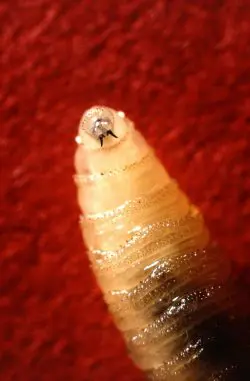
Dr. Peterman explains that the New World Screwworm is actually a fly whose adult females lay 200–300 eggs in wounds or mucous membranes. The eggs hatch within 12–24 hours, and the larvae burrow into living tissue in a screw-like fashion, causing severe tissue damage, pain, and potentially death if untreated. After about a week on the host, larvae drop to the ground to pupate in soil for one to 54 days, depending on temperature and humidity, before emerging as adult flies and continuing the cycle.
Producers are urged to observe livestock, horses, pets, and local wildlife daily. Warning signs include irritation, excessive head shaking, foul odor of decaying flesh, bloody or abnormal discharges, non-healing or enlarging wounds, visible eggs, or larvae in tissue. Any suspicious case should trigger immediate contact with a veterinarian, followed by rapid notification of state and federal animal health officials, as this is a reportable condition.
Dr. Peterman emphasizes thoughtful management around procedures that create wounds, such as branding, castration, dehorning, ear tagging, and calving assistance, especially in at-risk regions. She notes conditional approvals for products such as Dectomax CA-1 and Exalt Cattle CA-1, along with other emergency-use therapeutics listed on the FDA website, and stresses strategic use to prevent resistance.
On the regulatory front, USDA and the Texas Animal Health Commission have established 20-kilometer infested and buffer zones, imposed movement controls, and deployed millions of sterile male flies via air and ground release. Monitoring of wildlife and fly populations is ongoing, aided by fluorescent dye markers on sterile males.
The episode closes with reassurance that the New World Screwworm has been successfully eradicated before. The key messages are to avoid panic, remain vigilant, report promptly, and remember that this is an animal health and welfare issue rather than a food safety concern.
For Future or Previous episodes visit our websites:
Cattlemen and Veterinarians: A Partnership in Bovine Health Sponsored by: